
Building a home gym that you’ll actually use and that doesn’t overrun your living space doesn’t have to bust your budget. With so many options out there, picking smart, space saving gear goes a long way in helping you stay active at home, whether you’re in an apartment or upgrading your garage. Here, I’m breaking down the top 7 home gym must-haves that help you save money and square footage, along with some practical tips from my years of restless, late-night fitness browsing.
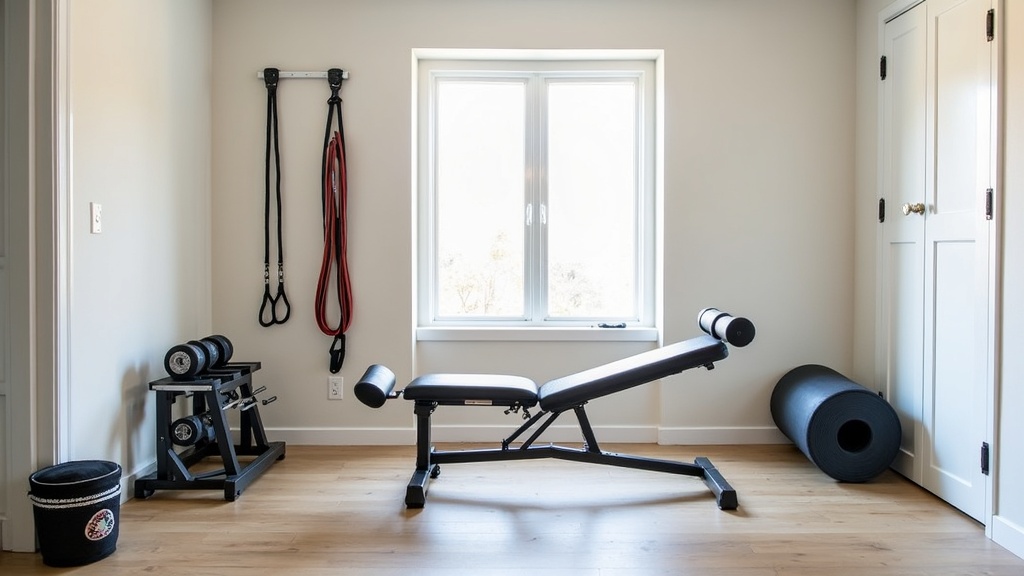
Why Pick Space Saving Home Gym Equipment?
Getting a real workout done in a small area is a serious test of creativity. Most of us can’t devote an entire room to weights and machines, and it’s easy to see how large equipment can quickly gobble up space. The beauty of compact, multifunctional gear is that it lets you turn just about any spot in your home be it a living room corner or part of your bedroom into an effective workout zone.
According to fitness associations, there’s been a surge in demand for in-home exercise solutions in recent years, especially as more people got into virtual training and flexible work. What’s great about today’s equipment is its portability and affordability with lots of gear is intentionally designed to stash away in a closet instead of taking over your living room.
Top 7 Space Saving Home Gym Essentials That Won’t Break the Bank
I’ve scoured the market for equipment that delivers value without demanding a dedicated studio. If you’re looking to keep things efficient, here’s a super practical lineup:
- Adjustable Dumbbells: These make a long row of fixed weights obsolete. Instead of having multiple dumbbells taking over the floor, just twist a handle or set a pin to switch between weights. Most sets cover the 5 to 50-pound range, more than enough for most. Tuck them away under the bed or in a closet when you’re done.
- Resistance Bands: Choose simple loop bands or go for tube sets with handles and door anchors. Bands step up warmups, strength training, and even help in stretching sessions. Best of all, they fit easily into a drawer or travel bag. They’re ideal for anyone who wants workouts on the move or needs some extra spice in rehab routines.
- Foldable Workout Bench: A good bench takes bodyweight moves and dumbbell exercises up a notch. Newer models fold flat to slide under furniture or stand behind a door. Be sure to get one rated for your body weight plus anything extra you’re lifting to stay on the safe side.
- Suspension Trainer (like TRX): Setup is as simple as anchoring it to a door or sturdy beam. You can tailor resistance just by adjusting your body angle; this targets everything from core to arms and legs, all with just a single set of straps. When packed away, it’s no bigger than a shoebox.
- Compact Cardio Option (Jump Rope or Mini Stepper): Cardio doesn’t have to mean bulky treadmills. Jump ropes set your heart pounding and can be used with just a few square feet. Want something low impact? Mini steppers slip under furniture but get your legs moving while you binge a show.
- Yoga Mat: It sounds basic, but a sturdy mat anchors your stretching, yoga, balance, or bodyweight sessions and saves your floors from scuffs. Most roll up tightly, and those with carry straps make for especially neat storage.
- Foam Roller or Massage Ball: Don’t overlook recovery tools. A compact foam roller or massage ball helps keep you limber and target muscle knots, then stores away as easily as a rolled-up blanket.
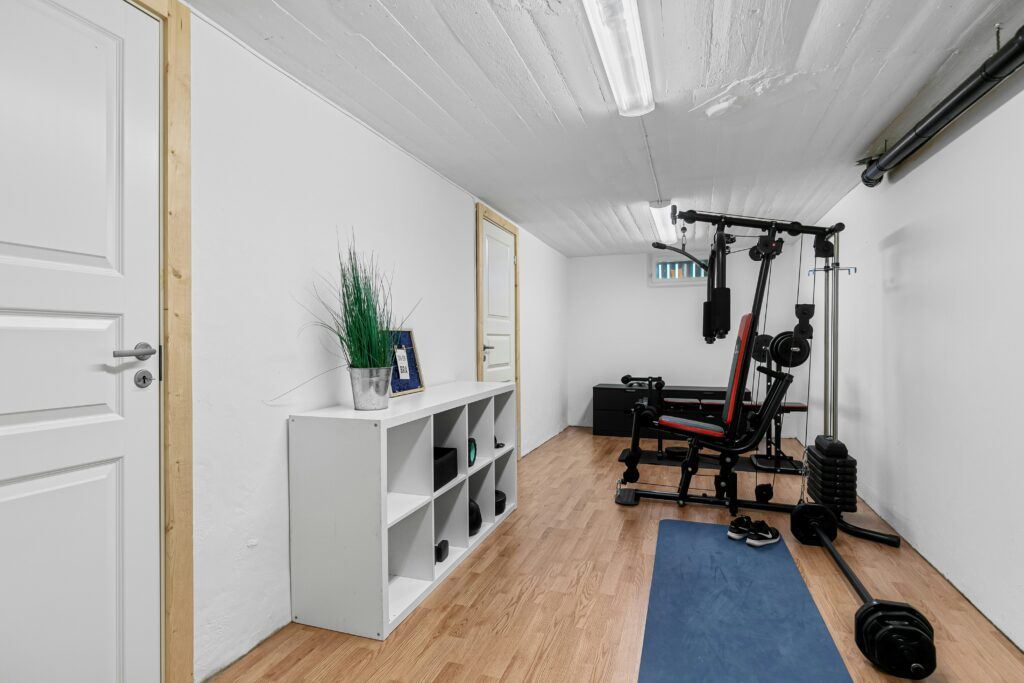
Getting the Most Out of Small Spaces
Even in a small apartment or busy living room, making room for exercise equipment is totally doable. Here are a few hacks I picked up along the way:
- Storage Bins or Baskets: Stash bands, rollers, and ropes in a simple bin and slide it under a bed or on a shelf. If you like order, go ahead and label it.
- Multipurpose Furniture: Benches and ottomans with hidden compartments handle mats and bands discreetly. A sturdy chair is also great for step-ups and dips.
- Wall Hooks: Set up simple hooks behind doors or in closets for bands and ropes. Keeping these off the ground not only saves space but boosts convenience.
Your QuickStart Guide for Home Gym Setup
There’s no need to aim for a “Pinterest-perfect” gym right away. Here’s a quick checklist for a functional setup:
- Pick Multifunctional Basics: Adjustable dumbbells and resistance bands are champions over single-use gadgets.
- Measure Up: Know your space and double-check gear dimensions before making a purchase.
- Stick to a Budget: Decide what you want to spend; bundle deals on bands or starter kits can save you more than buying piece by piece.
- Consistency Wins: Start only with what you’ll actually use, then expand with equipment that fills a real gap.
Things to Check Before Buying Home Gym Gear
Picking the right tools can feel overwhelming when everything claims to be “multifunctional” or “spacesaving.” Here are some critical things to look for:
- Durability: Inexpensive gear may be tempting, but if it bends or fails, it’s not a deal. Read reviews, and consider warranties for peace of mind.
- Weight Range: Your gear should challenge you now, but also give you room to advance.
- Assembly: Some benches and steppers arrive flat-packed; make sure you know what tools you’ll need or if assembly help is necessary.
- Storage: Ideally, equipment should fold down, stack, or hang out of sight when not in use.
Durability & Safety
Sturdy gear makes all the difference. Metal options usually outlast plastic, staying safe and quiet through years of use. Pay for the higher quality if you can swing it; a shaky bench won’t encourage you to stick to your routine.
Weight Range & Versatility
If your dumbbells or kettlebells top out at 10 pounds, you’ll quickly outgrow them. Look for adjustable or expanding gear with a range that lets you work up as you get stronger. Bands with varying tension also add flexibility.
Effortless Storage
Gear that disappears easily keeps your space looking clean. Wall racks, underbed storage, and compact bins do the trick. If your setup is easy to tidy, you’ll be a lot more likely to stick with your workouts and routine.
Pro Tips to Make Your Home Gym Smarter
A few tweaks make a huge difference in motivation and how much use your gym area gets:
Claim Your Space: Even a small patch of carpet counts as your “exercise zone.” This mental trick helps switch you into workout mode, even in a cramped spot.
Explore Digital Tools: There are tons of free YouTube routines and affordable fitness apps tailored for small spaces or limited equipment. Follow along for guided workouts so you’re never left wondering where to begin.
Choose Multipurpose Gear: Look for benches with built-in band storage or grab an adjustable kettlebell. Bundles keep clutter down and expand your training options.
Easy Clean-Up: Quick-storage gear and handy wipes help you reset the space to “normal life” in seconds, boosting the odds you’ll stick to your workout streak.
Real-Life Mini Home Gym Examples
- Living Room Athletes: Benches slide behind sofas, dumbbells hide in baskets, and bands hang on door hooks. It’s possible to make workouts fit seamlessly with daily life.
- Apartment Go-Getters: Foldaway benches, light kettlebells, and a compact resistance band kit nestle right beside bookshelves, vanishing whenever company is over.
- Garage Upgraders: Wall shelves or storage carts corral everything, and a mat on the floor signals fitness time in an otherwise cluttered space.
Frequently Asked Questions: Small Home Gyms
If you’re new to the home gym game, you’re probably wondering:
What should I buy first for a tiny home gym?
Answer: Adjustable dumbbells or resistance bands score highest for versatility without hogging space or money.
How do I keep my living space looking tidy with all my fitness stuff?
Answer: Decorative bins, shelves, and stackable or folding equipment are your go-to. Hide everything away after your session to keep clutter at bay.
Can I really work out my whole body with minimal equipment?
Answer: Yes, you can. A mat, a set of bands, and adjustable weights allow you to hit every major muscle group with tons of exercise options.
Wrapping Up
Creating a home gym that gets regular use is all about smart, practical choices. Start with only the most useful pieces—like adjustable weights and bands—then expand as your space or routine needs grow. Over time, you’ll build a home gym that keeps you moving without clutter or overwhelm, turning even small spaces into inviting workout zones you’ll love returning to again and again.
Now that you’ve seen how to maximize a small home gym, I’d love to hear from you, what’s the one piece of space-saving equipment you couldn’t live without? Drop it in the comments below!