
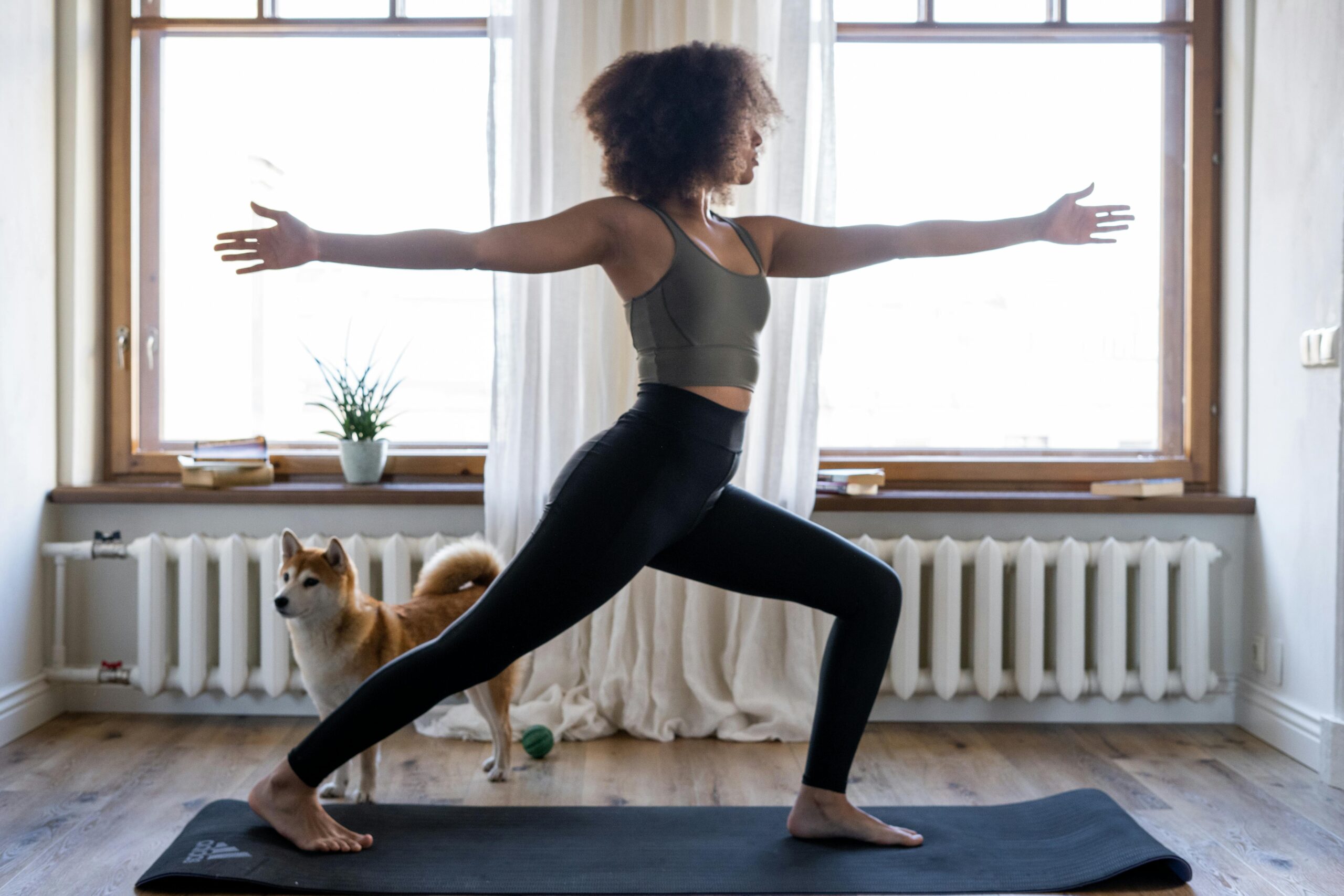
You don’t need a room full of iron or a expensive gym membership to get in the best shape of your life. Honestly, your own body weight is the most versatile “equipment” you’ll ever own.
Lately, I’ve realized that the best workout is the one you actually do and it’s a lot harder to make excuses when your “gym” is just two steps away from your couch. Whether you’re in a tiny apartment or just want to keep things simple, here is your ultimate guide to getting fit at home with zero gear.
Why Ditch the Gym?
Bodyweight training is about more than just saving money (though that’s a nice perk).
-
Zero Barrier to Entry: No commute ad no waiting for machines
-
Natural Movement: These exercises improve how you move in real life picking up kids, carrying gear, or just staying flexible.
-
Total Control: You pick the music and the pace.
The “Big 10” No-Equipment Exercises
These moves are the foundation of home fitness. They’re effective, easy to learn, and can be modified for any level.
-
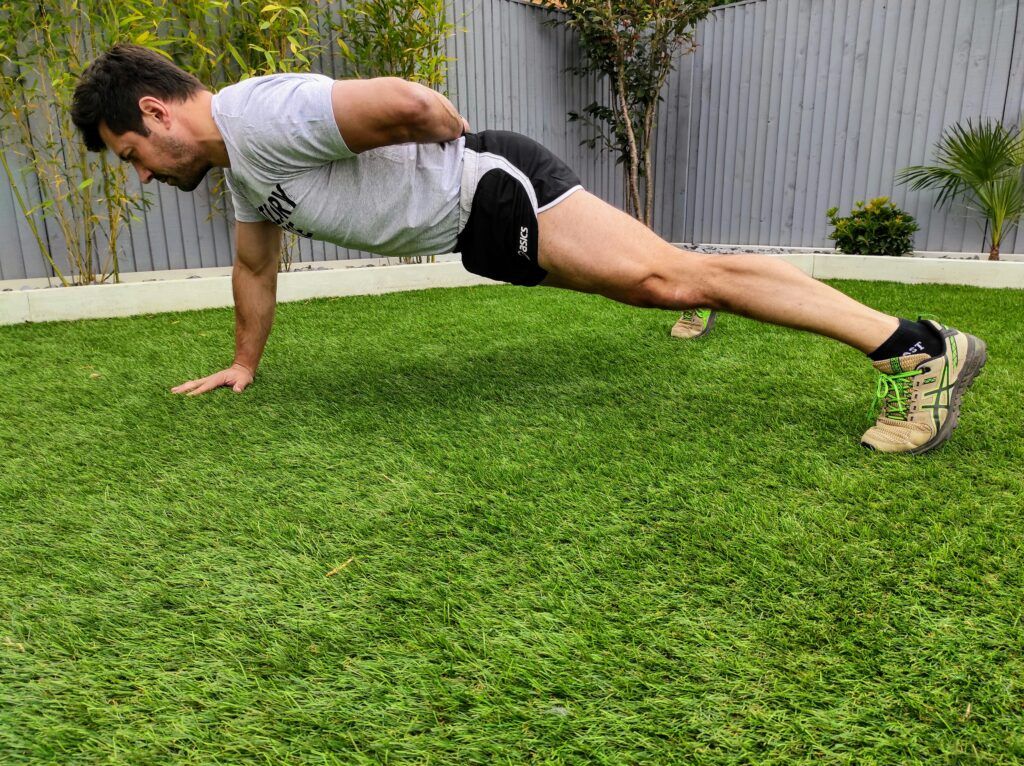
Push ups: The gold standard for your chest, shoulders, and arms.
-
Squats: Build leg power and a solid foundation. Focus on sitting “back” into your heels.
-
Lunges: Great for balance and targeting each leg individually.
-
Planks: The ultimate core stabilizer. Keep your body as straight as a board.
-
Glute Bridges: Perfect for undoing the damage of sitting at a desk all day.
-
Supermans: Lie on your belly and lift your limbs to strengthen your lower back.
-
Mountain Climbers: A “two-for-one” that builds core strength while getting your heart racing.
-
Tricep Dips: Use the floor or a sturdy chair to tone the back of your arms.
-
High Knees: Cardio in a tiny space. It’s like running, but on your own terms.
-
Bicycle Crunches: One of the most effective ways to target your entire abdominal wall.
The 10 Best Home Workouts That Don’t Need Equipment
These bodyweight exercises have earned a permanent spot in my at home routine because they’re versatile, effective, and easy to adjust for beginners or more experienced folks. Here’s a breakdown of each move, what it targets, and simple pro tips for getting the most out of every rep.
- Push ups
A classic for a reason. Pushups target your chest, shoulders, triceps, and core. Start with knees on the ground if you need, and work up toward full pushups. Hands can go wide, narrow, or in diamond shape for variety. - Squats
Great for building leg and glute strength. Stand with feet hip width apart, lower your butt like you’re sitting back into a chair, and keep your chest up. Add a pause at the bottom for a little extra burn, or try jump squats once you’re ready to take it up a notch. - Lunges
Lunges train your legs and improve balance. Alternate legs as you step forward or backward, making sure your front knee stays over your ankle. Mix things up with side lunges or walking lunges across your space. - Planks
Planks are super useful for core stability, and you can do lots of plank variations. Aim for a straight line from head to heels, pulling your belly in tight. Side planks hit the obliques, while forearm planks are a bit easier on the wrists. - Glute Bridges
This one’s awesome for the backside, targeting glutes, hips, and hamstrings. Lying on your back, bend your knees, push feet into the floor, and lift your hips. Squeeze your glutes at the top, then lower. Single leg bridges up the challenge. - Supermans
Supermans strengthen the whole back chain. Lie on your stomach, stretch arms and legs out, then lift everything at once (imagine you’re flying). This is a nice move to balance out all that pushup work. - Mountain Climbers
This move cranks up the cardio and fires up your core, shoulders, and legs. Start in a plank, bring knees in toward your chest one at a time, and speed up for a heart pounding boost, or stay slow and controlled for more focus on your abs. - Tricep Dips (on Floor)
Using just the floor, sit with knees bent and hands behind you, fingers facing forward. Lift your hips, then bend and straighten your elbows to work the back of your arms. If you have a stable chair or couch, those work too, but the floor version is simple and safe. - High Knees
Stand tall and run in place, bringing knees as high as you can. This gets your heart rate up quickly and adds a cardio burst to your session. Use it in intervals or as a finisher to break a sweat. If you have neighbors below, consider moving softly to avoid making noise. - Bicycle Crunches
A powerful abs move: Lie on your back, hands behind your head, and pedal knees toward your chest while touching opposite elbow to knee. Keep your lower back pressed into the floor and move at your own pace for max effect. Make sure not to pull on your neck for safety.
Structuring Your Home Workout
I’ve found that the best routines combine a few different exercise types and keep things moving. Here’s a simple way to set up a bodyweight workout at home:
- Choose 5 to 7 moves from the list above
- Do each exercise for 40 seconds, resting 20 seconds between moves
- Complete 2 to 5 rounds depending on your fitness level and your schedule
If you want to build muscle strength, slow down each rep and try for 10 to 15 reps per set instead. For more cardio, do quick circuits with less rest in between. Always include a short warmup and cooldown with stretching to stay loose and avoid injury.
For those just starting out, it helps to write out your planned circuit before you begin so you can transition smoothly between moves. As you get stronger and more comfortable, you can mix things up week by week to avoid plateaus and keep gaining results.
Tips to Stay Consistent With At Home Workouts
Motivation can dip when you’re working out at home. I’ve been there, and here’s what’s worked for me:
- Schedule your workout like any other important appointment in your day
- Set up a dedicated workout spot, even if it’s just a tiny corner
- Keep a playlist or podcast ready to keep things lively
- Mix new moves or challenges into your week to stay engaged
- Track your progress, whether that means snapping a quick photo or jotting down reps and sets
Friends, family, or online fitness communities can help with the accountability side. Sometimes just texting a friend after you sweat it out keeps the momentum going. Keep small rewards in mind for finishing a session, like a favourite show or relaxing bath. Setting goals and celebrating progress keeps energy high.
Things You Should Probably Know Before Starting Home Workouts
No equipment home workouts are simple, but there are still a few things worth thinking about before you start:
- Space: Just a yoga mat’s worth of room will work, but make sure you won’t knock over anything breakable.
- Footwear: Most moves can be done barefoot at home, but sneakers can be helpful if you want more support or grip.
- Warmups: Don’t skip these; your joints and muscles will thank you in the long run. Arm circles, hip openers, or a little jogging in place go a long way.
- Proper form: Watch yourself in a mirror or record a quick phone video to check alignment. Small tweaks make a big difference.
- Rest days: Taking it easy is really important, especially when starting out or ramping up intensity. Rest lets muscles recover so you get stronger, not just more tired.
Don’t be afraid to ask questions or look for guidance if you’re unsure about anything. There are plenty of free videos online that provide step by step tutorials for all these moves.
Staying Safe With No Equipment Workouts
Most bodyweight exercises are safe for anyone, but injuries can still happen if you rush through moves or ignore what your body’s telling you. Start slow, listen to your body, and stop if anything feels off. Modifications are available for every move, so adjust reps, range of motion, or tempo as needed. Consulting a fitness professional or a trusted online coach for guidance or demos is also really helpful. Remember to hydrate and make sure your workout area is clutter free to prevent trips and slips.
Making Progress (Even With Zero Equipment)
One of the best things about bodyweight workouts is how easy it is to track progress. When a move gets easier, add another set, slow the tempo, hold positions longer, or combine moves into flows. Write down what you do and how you feel each time. Over a few weeks, it’s pretty satisfying to look back and see how far you’ve come, even if your home is your only gym. If you want extra challenge, look for creative movements or mix in elements like yoga, Pilates, or training with household objects for resistance.
Frequently Asked Questions
Here are some things people ask when they’re starting out with home workouts and no equipment:
Question: Can you really build muscle with just bodyweight exercises?
Answer: Absolutely! Bodyweight moves can build quite a bit of muscle and strength, especially at the start. Focusing on slow, controlled reps, and working towards tougher variations (like squats to single leg squats or regular planks to one arm planks) keeps the challenge going.
Question: How many times a week should I work out?
Answer: Three to five times per week works well for most people. It’s okay to start with less and build up as you get stronger and more comfortable.
Question: What if I don’t have much space?
Answer: Most of these moves fit just fine in a small bedroom or living room. Anything that uses lots of motion, like jump lunges, can be swapped out for a smaller range move, like regular lunges or step backs.
Question: How do I make workouts more challenging over time?
Answer: Move to harder variations, increase the number of reps or sets, shorten rest periods, or combine moves for supersets or circuits. There’s always a way to move forward, no matter your level.
Getting Started With Home Workouts Today
Getting fit at home doesn’t have to feel overwhelming, and you definitely don’t need to buy expensive gear. These top 10 no equipment exercises are great for building a daily habit, and you can mix them to keep things fresh. Remember, consistency, good form, and making gradual progress all add up. If you stick with a routine, you’ll feel stronger and more energized in your own space. The gym isn’t a requirement for seeing real results.
Thanks for checking this post out feel free to to leave a comment, ask questions and be sure to look on the other posts for everything fitness.