
Why Your Core Is the Real MVP of Your Body
Building a strong core at home changes everything and not just how you look at the beach. Your core is the foundation for nearly every movement you make.
When gyms shut down a few years ago, a lot of us discovered something surprising: the living room floor works just fine. No commute, no waiting for equipment, no monthly fees. Just you and the carpet.
Whether you’re brand new to fitness or looking to shake up a stale routine, here’s how to build real core strength without stepping outside
Why Core Strength Matters
Think of your core as the “powerhouse” of your body. It isn’t just your six pack muscles, it includes your deep abdominal muscles, the ones wrapping around your sides, and your lower back.
-
Better Posture: Stop that “desk slouch” by supporting your spine.
-
Injury Prevention: A strong middle protects your back during heavy lifting.
-
Balance & Stability: Essential for sports, hiking, or even just walking on uneven ground.
What “Core Strength” Actually Means When it’s strong, good things happen:
-
- Better posture Your spine gets the support it needs, so you stop collapsing into that desk slouch by 2 p.m.
- Fewer injuries A stable midsection protects your lower back when you lift, twist, or bend.
- Improved balance Whether you’re hiking rocky trails or just navigating an icy sidewalk, core stability keeps you upright.
Leveling Up: Do You Need Gear?
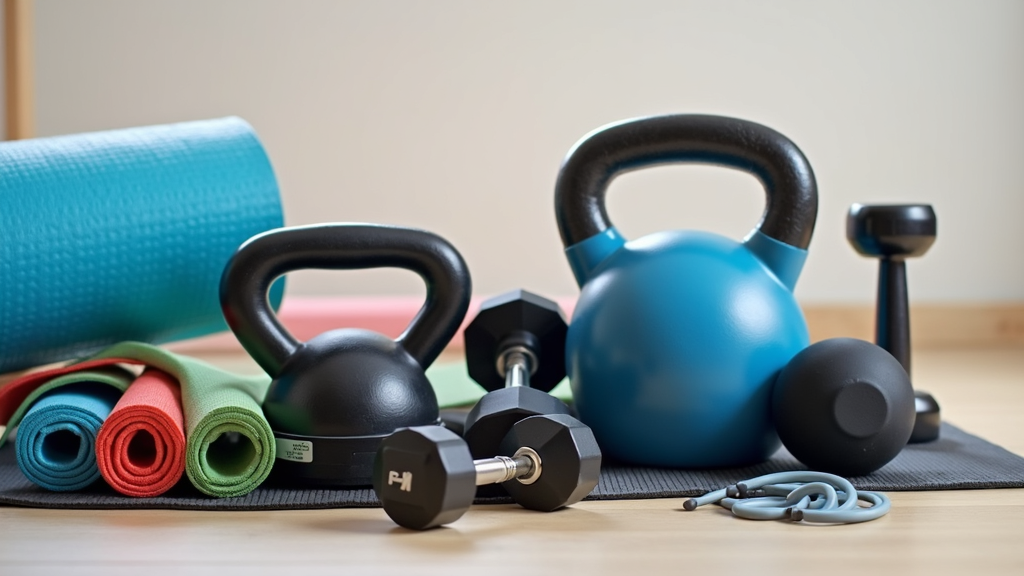
While bodyweight exercises are effective, adding a few simple tools can help you progress faster. If you’re looking to invest a little, consider these:
| Tool | Benefit |
| Yoga Mat | Saves your elbows and knees from hard floors. |
| Stability Ball | Forces your core to work overtime just to stay balanced. |
| Resistance Bands | Adds tension to movements like Russian twists or woodchoppers. |
| Dumbbells | Perfect for “weighted carries” which build functional core strength. |
Why Core Strength Matters for Everyday Life
Strong core muscles are about much more than just visible abs. Your core includes the muscles around your trunk and pelvis, like abs, obliques, lower back, and even your hips. I’ve noticed that after working on my core, I can stand taller, my back aches less, and my other workouts feel easier too.
Core strength keeps your spine stable, makes movements smoother, and reduces the chance of tweaking something during physical activity or just sitting at a desk all day. Even if you’re not big on fitness, having a strong and steady core gives you better body control for simple things like climbing stairs, lifting your kids, or sitting comfortably for long stretches. It also helps with carrying groceries, reaching for things, and just easing the physical stresses of everyday life. With a stronger core, motions like twisting, bending, or lifting become much safer and less stressful for your body. Not only does your confidence go up, but your risk for everyday strains like tweaking your back when picking something up drops. Good posture, balance, and a feeling of mobility become second nature.
How to Build Core Strength at Home: A Simple Starter Guide
Building a strong core is one of the best things you can do for your body. You don’t need a fancy gym membership or expensive machines to get results. In fact, some of the most effective ab and back exercises happen right on your living room floor.
Whether you’re looking to fix your posture, reduce back pain, or just feel stronger, here is how to get started without the stress.
Getting Started: The Basics
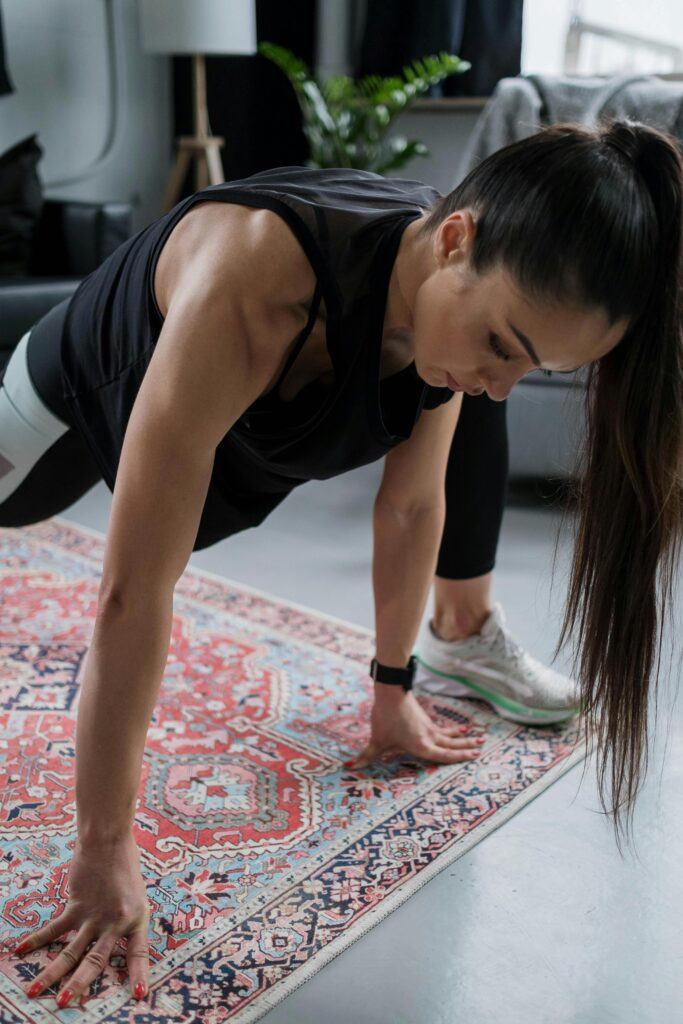
The beauty of home workouts is simplicity. You just need enough space to lie down like a living room rug or a basic exercise mat works perfectly.
Before you dive in, keep these four “golden rules” in mind:
-
Form Over Speed: Slow, controlled movements build muscle way faster than rushing.
-
Bodyweight First: Master the basics before you worry about adding weights or bands.
-
Consistency is King: Aim for 2 to 3 sessions a week. You don’t need to do it every day; your muscles need rest to grow.
-
Listen to Your Back: If you feel a sharp pinch or pain (not just a muscle burn), stop and adjust your position.
Best Core Exercises for Beginners
These moves are classics because they work. They target your “deep core”—the muscles that act like a natural corset for your spine.
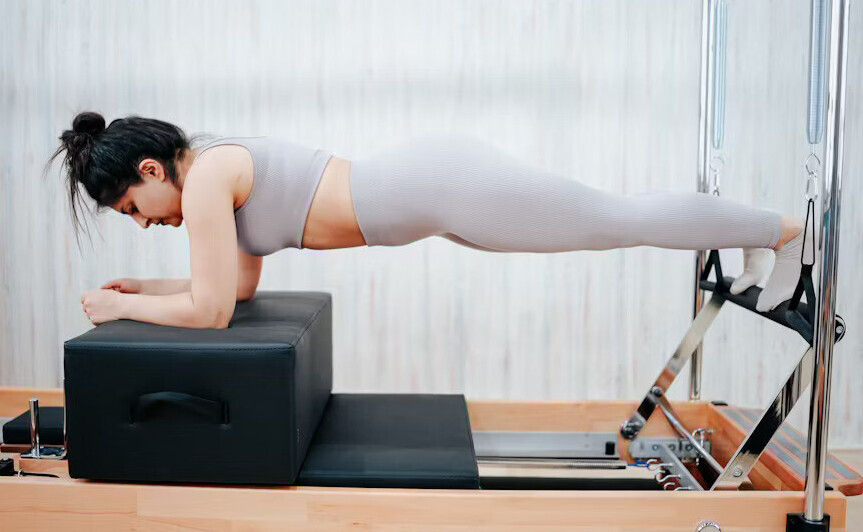
1. The Plank
The ultimate total-core builder. It hits your abs, sides, and lower back all at once.
-
Modification: Start on your knees if a full plank feels too heavy on your lower back.
2. Dead Bugs
Despite the funny name, this is the best move for protecting your spine. It teaches you how to keep your back flat while moving your arms and legs.
3. Glute Bridges
Don’t forget the back of your core! These strengthen your glutes and lower back, which are essential for balance and lifting heavy things (like groceries).
4. Bird-Dogs
This is a “two-for-one” move. It improves your balance while strengthening the muscles that run along your spine.
5. Side Planks
If you want to target those “love handle” areas (your obliques), side planks are your best friend. They also build great shoulder stability.
Pro Tips for Better Results
-
Add Variety: Once these moves feel easy, try adding a small dumbbell, a resistance band, or even a slow-motion tempo to keep your muscles guessing.
-
Focus on the “Why”: Remember, this isn’t just about six-pack abs. It’s about building a body that moves better and hurts less in everyday life.
Ready to start? Pick three of the exercises above, do 10 reps (or 30 seconds) of each, and repeat that three times. You’ll be feeling the difference in no time!
Gear That Makes Core Workouts at Home Easier
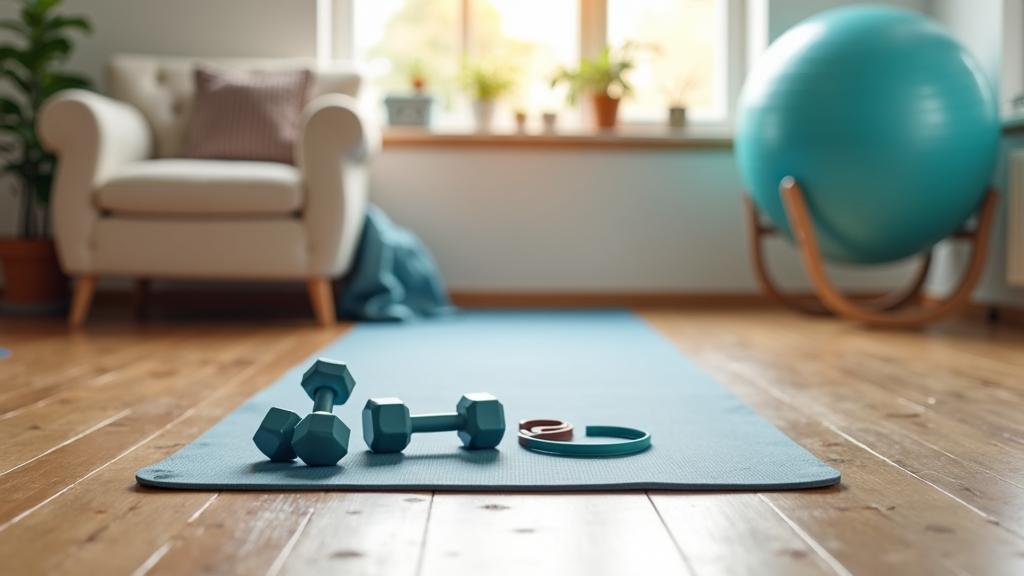
While you absolutely don’t need equipment to make progress, a few inexpensive items can keep things more comfortable and a bit more interesting:
- Exercise mat: Carpets and hardwood can be tough on your elbows or back, so a decent mat is pretty handy.
- Resistance bands: Compact and cheap, these little bands let you ramp up moves like clamshells, leg raises.
- Small Dumbbells or Kettlebells: Not required for beginners, but helpful for exercises like Russian twists or weighted situps.
- Stability ball: These are fantastic for moves that hit both balance and strength, such as ball rollouts or crunches.
- Timer: Sometimes I set up intervals with a phone timer or a workout app for circuit style routines.
This gear can easily be tucked away in a closet or under a bed, making it perfect for small apartments or shared spaces. Even something as simple as a folded towel beneath your back for support can work in a pinch. As your routine grows, you might want to mix in different gear every so often, just to keep your muscles guessing and avoid boredom.
Common Obstacles (and How I Got Around Them)
Sticking with a core routine at home is not always a breeze. I’ve had to work around a few common hurdles:
- Floor discomfort: Thin rugs are not enough for most elbows and spines. A padded mat makes a big difference.
- Distractions: Family, phones, pets—there’s always something. Having a set time (even just 15 minutes) helps lock it in as part of your routine.
- Sticking to it: Some days I just don’t feel like planking or crunching. Mixing up exercises or adding a mini challenge (like seeing if I can do a longer dead bug hold) keeps it interesting.
- Not feeling progress: It’s easy to get discouraged when results aren’t instant. Tracking reps, seconds, or the number of sets from week to week helps you recognize wins even before you spot physical changes.
It’s completely normal for motivation to come and go. Even getting in a five minute core workout is better than skipping altogether, so I try to show myself a little patience and just keep going. Sometimes, inviting a friend to do a video call workout or joining an online challenge can spur you on when your motivation stalls. If you miss a day, don’t sweat it just start again the next time and keep the streak alive.
Advanced Tips for Leveling Up Your At-Home Core Routine
Once the basics start feeling easy, there are some fun ways to kick it up a notch and keep challenging yourself:
Mix in dynamic stability moves: Try exercises that make your core respond to shifting loads, such as single arm planks and stability ball rollouts. These challenge muscles in ways static holds can’t match and help build strength.
Add some rotational work: Moves like Russian twists or band resisted presses work your obliques in a way standard planks don’t. Mixing in twisting or sideways resistance wakes up muscles that stabilize your spine during daily movements.
Super set with other exercises: I like sneaking planks or bird dogs between squats or push ups to add core work without any extra time.
Try longer intervals or more reps: Set a timer for 45 seconds per move instead of 30, or add an extra set to your workout when you’re feeling strong. These small steps nudge your routine forward without a complete overhaul.
Progressing isn’t about making your moves more complicated, but rather about challenging your stability, muscles, and coordination from a new angle. Switching things up occasionally can break plateaus and keep your workouts fresh.
Cool Real-Life Perks of Core Strength
Strengthening my core at home didn’t just change my workouts. I noticed everyday improvements almost by accident:
- Better posture during long workdays: Sitting feels easier, and my back stays comfortable even after hours at my desk.
- Lifting heavier things with less effort: Whether it’s groceries or moving boxes, a tight core means less strain on my back and arms.
- More balance in everyday activities: Even things like climbing stairs or walking on bumpy sidewalks feels more stable.
You don’t have to train like a pro athlete to see these perks. Everyday life gets more comfortable and free when your center is solid. Over time, these improvements build into a real sense of independence and control over your own body.
Frequently Asked Questions
Here are a few common questions about building core strength at home. I’ve faced some myself, and others come up a lot when chatting with friends and family.
Question: How many times a week should I work my core?
Answer: Two or three core workouts each week is a good target for most people. More isn’t always better, because recovery is key for getting stronger.
Question: If I have back pain, should I still do core exercises?
Answer: Many people actually find that gentle core work helps with back pain, but it’s smart to skip anything that makes your pain worse. Moves like birddog, dead bug, or glute bridges are usually lower impact. If you’re unsure, it’s worth asking a physical therapist or doctor for some guidance before you start.
Question: Will these exercises give me sixpack abs?
Answer: Visible abs are mostly about body fat, which comes from a mix of regular movement, smart eating, and genetics. Core exercises build muscle and stability, but everyone’s body shows muscle a little differently. It’s best to focus on function, not just looks, for a stronger and more dependable core.
Getting Started Is More Than Half the Battle
Consistency matters way more than fancy gear, and five minute sessions still count. Adding core exercises at home is a solid move for anyone, no matter your age or background. With regular practice, core strength brings payoffs in how you feel day to day and in what you can do not just in sports, but in every part of life.
Thanks for checking this post out feel free to to leave a comment, ask questions and be sure to look on the other posts for everything fitness.