
Squats and deadlifts pretty much form the backbone of any effective strength routine, and for good reason. They do more than just build muscle; they improve balance, boost athletic performance, and even help with daily tasks. But getting the form right is really important, both for results and to steer clear of annoying injuries. Here’s my all-in-one guide to nailing these classic moves, filled with practical advice that works whether you’re picking up a barbell for the first time or you’re working to clean up your technique.
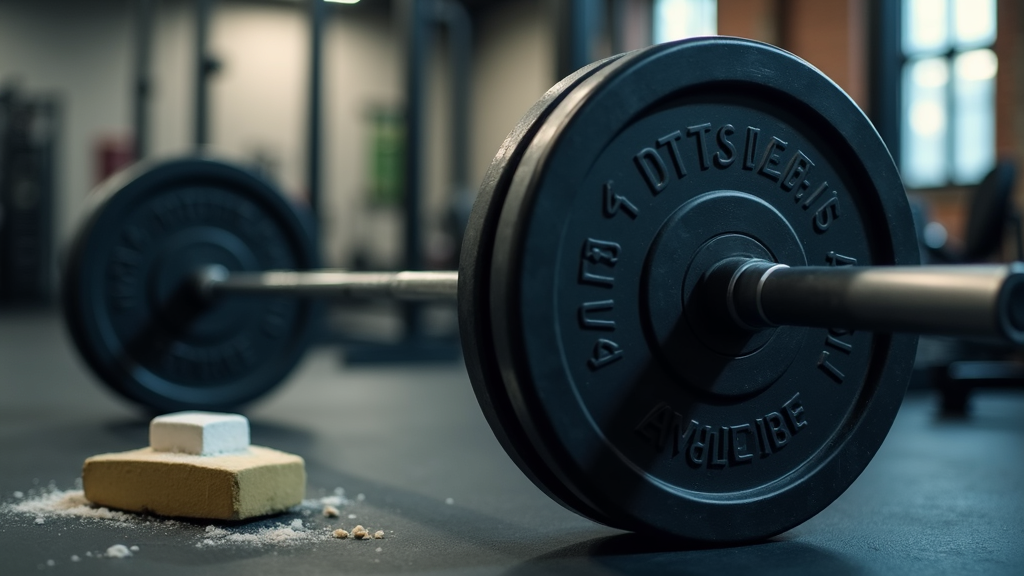
Why Proper Form Matters for Squats and Deadlifts
Bad form isn’t just about looking awkward in the gym; it puts real strain on your body in places you don’t want. I’ve dealt with lower back aches that could have been easily avoided with a few tweaks to my squat setup. Not only does proper form keep you safe, but it also maximizes the payoff from your effort. When your technique is dialled in, you get more muscle recruitment and build strength more efficiently.
Deadlifts and squats are both compound exercises, meaning you’re working a bunch of muscles at once. That’s why mastering their basics pays off in so many ways, from better posture to everyday confidence moving heavy stuff around. There’s a reason every popular strength coach starts with these two movements when helping someone build a solid foundation.
Squats: Getting the Fundamentals Down
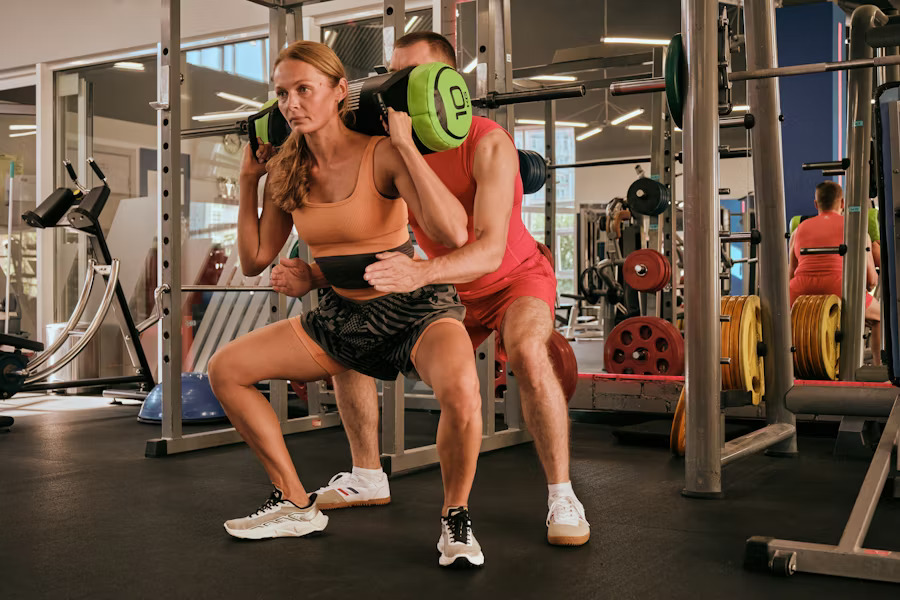
When it comes to squats, the way you set up makes all the difference. Here’s how I break it down when coaching anyone new or when I’m fixing my own technique:
- Foot Positioning: Stand with your feet roughly shoulder width apart. Toes can point forward or turn out just a little; go with what feels natural and stable for you.
- Grip and Bar Placement: For a barbell squat, rest the bar across your upper back, not your neck. Keep your hands just outside your shoulders and pull your shoulder blades together, making a sturdy place for the bar.
- Bracing: Take a deep breath and brace your core like you’re about to take a punch. This helps support your spine for the whole movement.
- Movement Path: Sit your hips back and down, kind of like sitting in a chair. Keep your chest up and your knees tracking over your toes—they shouldn’t cave inward or shoot way over your toes.
- Depth: Drop down as low as your mobility allows while keeping your heels planted and your lower back neutral. For many, parallel thighs are a good target; if you can comfortably go deeper, that’s great.
- Drive Up: Push through your heels to stand back up, keeping your abs and glutes working the whole time.
Filming my squats or using a mirror has made a huge difference in catching things like knee wobble or dropping my chest. It’s worth noting that everyone’s squat looks a bit different; your hip structure and ankle mobility play a big role, so stick with what feels solid for your body.
Deadlifts: Technique for Power and Safety
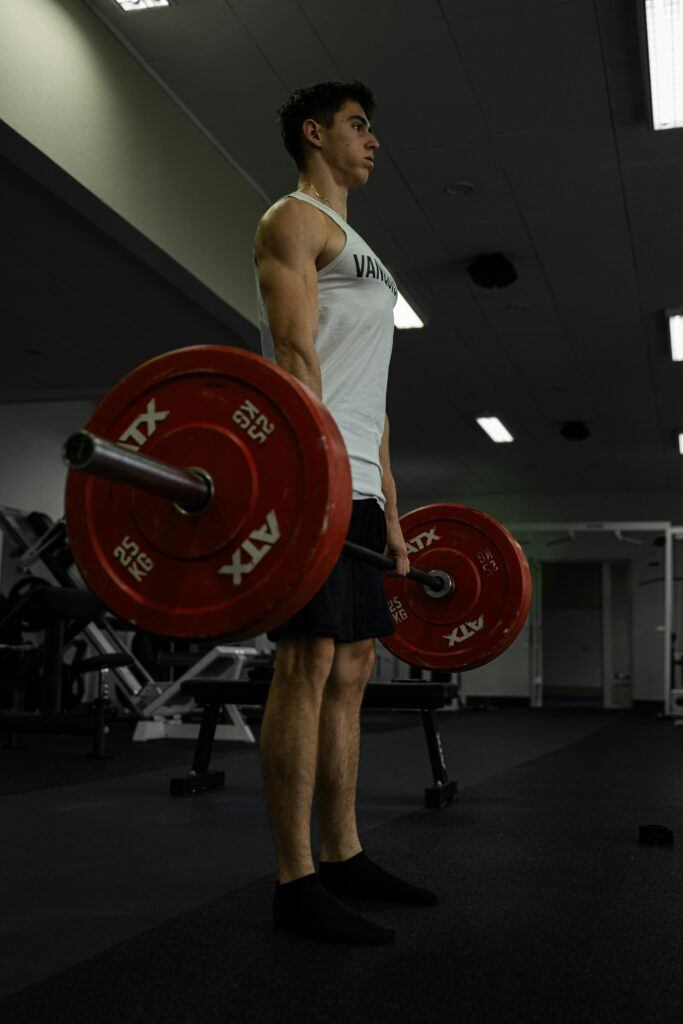
The deadlift is famous for building a strong posterior chain, but it’s easy to get wrong if you’re not careful. I always remind myself and others: it’s a hinge, not a squat. Here’s the checklist that keeps me on track every time:
- Foot and Bar Setup: Your feet should be about hip width apart. The bar should start right over your midfoot, basically touching your shins.
- Hand Position: Reach down and grab the bar just outside your knees, keeping your arms straight.
- Back and Chest: Pull your chest up, engage your lats, and get your back flat. Your spine should be straight, no rounding or over-arching.
- Lift-Off: Push the ground away with your legs as you start lifting; once the bar passes your knees, drive your hips forward to stand tall. Keep that bar close to your legs the whole time.
- Lowering the Bar: Hinge at the hips to guide the bar down, then bend your knees once the bar passes them. Don’t just drop it; lower it with control.
Many beginners make the mistake of jerking the bar off the floor or letting their back round as fatigue sets in. Resetting your starting position every rep, or doing singles instead of banging out quick sets, has helped my deadlift numbers and kept my back happy.
Other Moves to Build a Solid Foundation
While squats and deadlifts are the big crowd pleasers, I’m a fan of adding some supporting moves to round out my routine:
- Lunges: Great for balancing out leg strength and working your stabilizer muscles. Try them with dumbbells or just bodyweight to get started.
- Hip Thrusts: These really target your glutes, which can often be a weak link for many folks struggling with squat depth or deadlift power.
- Rows and Pullups: Training your back keeps things balanced and improves posture, an important focus since deadlifts hammer your whole posterior chain.
Switching in these exercises keeps workouts interesting, covers the main muscle groups, and helps dodge the plateaus I’ve hit just by repeating the two primary lifts.
Common Mistakes and How to Troubleshoot Them
I’ve been there with stubborn form issues and confusing aches. Here are some fixes for the problems I see most:
- Knees Caving In: This crops up a lot during squats. Focusing on pushing knees apart (imagine turning the floor outward with your feet) usually helps. Sometimes limited ankle mobility causes this, so dedicate a bit of time to stretching as part of your warm-up.
- Back Rounding in Deadlifts: Training my core with planks and dialing back the weight until my back stayed flat made a difference. Don’t be afraid to use lighter weights to practice—building good habits pays off more than heavy numbers.
- Lifting with the Back Instead of Hinging: I practice the hip hinge with a dowel or broomstick to get used to the feeling before loading up the barbell. The movement comes from your hips moving back and forth, not your chest or shoulders dropping first.
Warming Up and Mobility Work
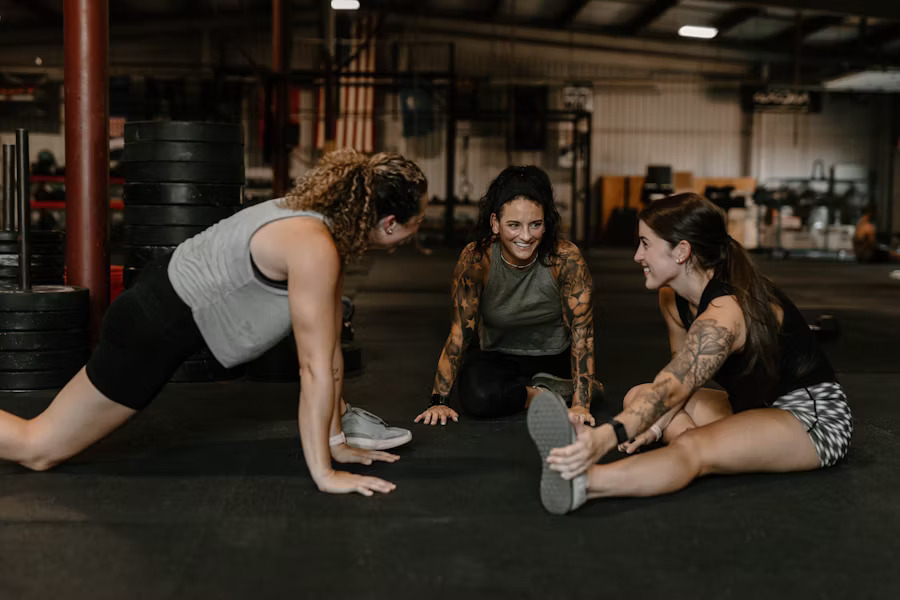
Skipping a warm-up was something I did too often at the start. But now, a short warm-up and a few mobility drills—like air squats, hip flexor stretches, and some band work—make a huge difference in how deep I can squat and how controlled my deadlifts feel. Every time I skip them, my lifts just feel stiffer and less powerful.
Sample Progression for Beginners
Jumping into the gym without a plan can feel overwhelming. Here’s a basic plan that can help beginners build up safely and steadily:
- Master with Bodyweight: Start out with bodyweight squats and basic hinging drills, just to get the feel for the movements and build some baseline stability.
- Add Light Weights: Use dumbbells or kettlebells in the goblet squat and Romanian deadlift to learn how to handle extra load, all while keeping your form on point.
- Start with Barbells: Once you’re comfortable, progress to the barbell—start with the unloaded bar or a little added weight. Focus on doing each rep well, not chasing big numbers right away.
- Build Volume First: Shoot for sets of 8 to 12 reps. As your confidence and strength grow, add weight and go for lower reps for more strength gains.
Trusting this process means fewer setbacks and way better long-term gains. Taking it slow has always led to more sustainable results for me and the folks I’ve coached.
Tools and Tips for Perfecting Your Form
Getting feedback can really give your progress a boost. Here are a few things that help me:
- Use a Mirror or Record Yourself: Visual feedback helps you spot stuff you might not feel while moving. It’s easier to spot knee collapse or early hip rise when you watch a recording.
- Resistance Bands: Putting a light resistance band around the knees reminds you to push outward and maintain proper squat and lunge alignment.
- Wall Drills: Facing a wall while performing squats or hip hinges forces you to use good mechanics, since the wall keeps you from leaning too far forward.
- Ask for Advice: If your gym has a good coach or trainer, ask for a quick form check. Even a seasoned lifting buddy can help catch things you might miss.
If you want more super detailed form checks, resources like Stronger by Science or Juggernaut Training Systems break things down with step-by-step visuals and tips that are super helpful. Dig into their guides when you need clarity on tricky cues.
Frequently Asked Questions About Lift Technique
These are questions I’ve gotten a lot over the years:
How deep should I squat?
It depends on your hip and ankle mobility, but going at least to parallel is a solid target. Deeper is great if your body feels good and you can keep your back in a strong position.
Should my deadlift grip be overhand or mixed?
If you’re new, an overhand grip is best for building grip strength and keeping things safe. Later on, when the weights get heavier, go for a mixed grip—but make sure to rotate which hand is facing forward to avoid muscle imbalances.
Is it okay for my knees to go past my toes in a squat?
If your heels stay down and your back is neutral, a little knee travel is no problem. Don’t force your knees to stay behind your toes; focus instead on comfort and keeping your movement stable.
Moving Forward Safely and Effectively
Learning good squat and deadlift form pays off in the gym, but also shows up when you’re lifting groceries, playing sports, or just moving through daily life. Filming your lifts, checking in for feedback, and sticking to the basics means a less stressful and way more rewarding training process. Don’t rush it listen to your body, enjoy the steady progress, and let these cornerstone movements build lifelong strength. Thanks for checking this post out feel free to to leave a comment, ask questions and be sure to look on the other posts for everything fitness.