
Setting up a home gym in a small space is totally possible, and it doesn’t have to cost an arm and a leg either. Whether you’re working out in a studio apartment, a corner of your living room, or just want a compact setup, you’ve got quite a few options for making the most of what you have. I’ve been through this myself. In fact, I started out squeezing a yoga mat and a couple of dumbbells behind the couch, so I’ve learned what works and what doesn’t. Here, I’m going to walk you through smart layouts and affordable gear ideas so you can create a home gym that actually fits, and that you’ll want to use. I have touched on some of these already but wanted to add more to this. If you are in the market for good dumbbells i have done a bowflex dumbbell post about them being very good and space saving in the home gym.
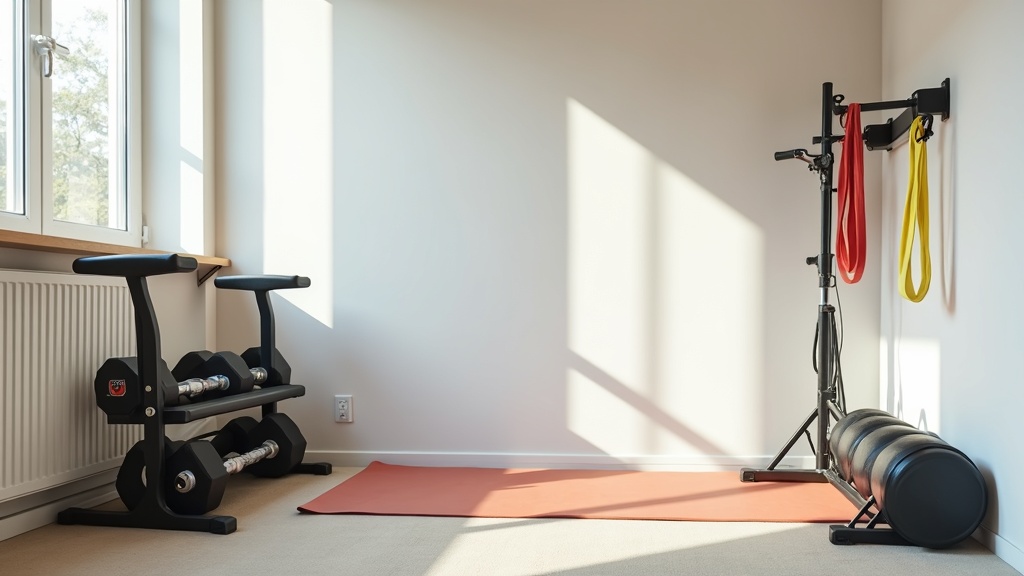
Why Small Space Home Gyms are a Game Changer
Having a home gym in a tiny apartment or house comes with some big perks beyond just convenience. For one, you don’t have to waste time commuting or waiting in line for equipment. Plus, when there’s no staring crowd and you’re right at home, it just feels easier to squeeze in short workouts, even if it’s just twenty minutes before dinner. And yeah, you save on those expensive gym memberships.
Tiny home gyms are especially popular these days, and it’s easy to see why. Surveys in recent years have shown that more people are prioritizing at home fitness than ever before. Storage friendly equipment and clever layouts mean you don’t have to dedicate a whole room or buy a ton of expensive machines to get in a great workout. With some planning, trust me, you’ll get results even with just a few square feet.
Getting Started: Plan Your Space and Set Your Budget
Map out your workout space before you buy anything. Take a look at the floor area you have to work with. Measure if you need to. Even if you only have a 5’ x 5’ corner or an empty stretch of wall, you can use it for a lot of different movements. Think about storage too: underbed bins or baskets, wall hooks, or shelves can keep things organized and tidy when you’re not working out.
Budget really matters, especially if you’re just beginning. There are so many affordable options now, and you truly don’t need to get everything at once. Just a few versatile pieces will get you started. Deciding what kinds of workouts you like (HIIT, yoga, strength, cardio) will help you pick gear that you won’t regret buying.
- Find a dedicated spot: Even clearing a bit of space next to your bed or TV can do the trick.
- Measure before shopping: Save yourself future frustration by making sure big purchases will fit.
- Set a spending limit: This keeps you focused on what you need, not just what looks cool online.
Core Equipment for Small Spaces (That Won’t Break the Bank)
I’ve tested a lot of gear over the years, and I keep coming back to a few compact and budget friendly basics. They’re easy to store, super versatile, and can give you a full body workout.
- Adjustable Dumbbells: These take up way less space than a full rack. They let you change weights quickly and are handy for strength, HIIT, or even as extra resistance for bodyweight moves. Many adjustable dumbbell sets now have a fast-select mechanism, making weight changes effortless so you’re not wasting time during your sets.
- Resistance Bands:Lightweight, packable, and great for strength, mobility, and stretching. Loop bands and long bands both come in handy for everything from squats to glute bridges to pullaparts. With different tension levels, you can match your resistance to various exercises and steadily increase intensity as you get stronger.
- Storage friendly Bench or Step: Look for one that folds up or doubles as storage for gear. Benches can also substitute as a chair for step-ups, dips, or seated moves. Some models also let you adjust the angle, giving you even more flexibility for different routines.
- Foam Roller or Mat: Essential for recovery, stretching, or yoga. Mats roll up and stash easily, even under the bed! A quality mat also gives your joints more protection for bodyweight training.
- Doorway PullUp Bar: Installs and removes without tools. When not in use, it stores in a closet or under a sofa. Beyond pullups, you can use it for hanging leg raises or anchor resistance bands.
- Compact Cardio Gear: Think foldup exercise bikes, underdeck treadmills, or even a basic jump rope. These bring cardio to your routine without hogging your living space. Many folks also love aerobic steppers, which are small and multipurpose.
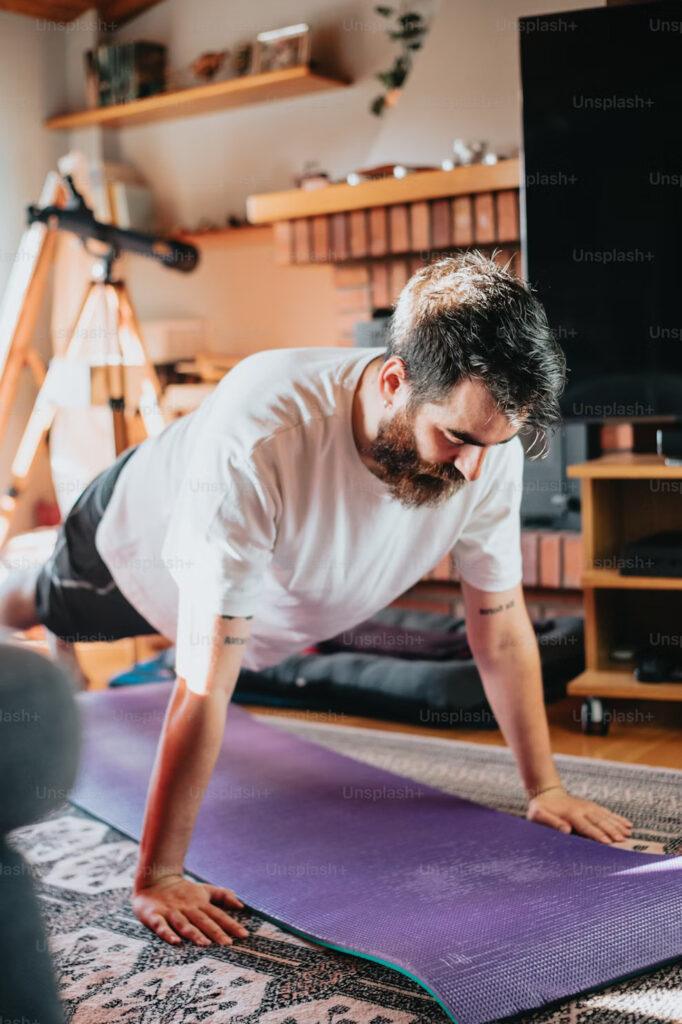
If you want to keep things ultracheap, just start with a set of bands and a sturdy mat. You can always add more as you go. For those interested in yoga, an extra-thick mat or yoga block can also help provide more comfort and variety in your routines without taking up noticeable space.
Layout Ideas: Making the Most of Every Inch
Setting up a small home gym is all about maximizing what you have. I’ve found a few layout tips that actually work in real life small spaces.
- Use Your Walls: Wall mounted hooks, shelves, or pegboards are awesome for hanging bands, mats, or jump ropes. This keeps the floor open and your stuff easy to grab. If you’re really tight on space, a wall rack can even hold a foldable bench vertically.
- Hidden Workout Corners: Slide dumbbells under a piece of furniture, stash a bench behind a door, or use a decorative basket for your bands and foam roller. No one will know it’s a gym until it’s time to work out. You can even set up a stylish trunk that serves as a coffee table by day and equipment storage by night.
- Collapsible Equipment: Look for foldup benches, compact bikes, or resistance bands over bulky machines. These tuck away fast and keep your living space feeling open.
- Double Duty Zones: Combine purposes. For example, a corner with a floor lamp, seat, and some hidden weights gives you both a cozy reading nook and a workout space, all in one.
Natural light helps too. Position your workout area near a window, if you can, to boost your mood and motivation. If you’re dealing with a darker space, even a small LED lamp can brighten up your setup and make workouts feel a lot more inviting.
Tips for Tiny Gyms: Organization, Motivation, and Easy Upgrades
Once your setup is going, it’s really important to keep things organized. Clutter makes even a big room feel tiny, and it’s easy to get discouraged if your gear is just scattered everywhere. Here’s what I do to keep a micro gym functional and motivating:
- Have a home for everything: Shelves, baskets, or bins keep things quick to grab and easy to hide away. Small rolling carts can also work wonders for equipment storage and mobility.
- Keep it simple: Don’t try to cram in too much equipment. The basics often do a better job than a bunch of specialty items you’ll rarely use.
- Add a mirror: Mirrors can make your space look way bigger and help with form and motivation. They give you instant feedback during workouts and may help the room feel open.
- Rotate equipment based on your goals: You can always switch out pieces as your needs change. No need to keep everything out at once; just store what you’re not currently using to keep your workout area neat.
When you’re ready to take things up a notch, check out buy and sell apps or local online groups for second-hand gear. Upgrading doesn’t always have to mean buying new, and you might spot some pretty eye-catching deals. Sometimes neighbours are giving away almost-new equipment for free, so it’s worth keeping an eye out online or within your building.
Small Space Gym Challenges (and How to Handle Them)
Working out in a really limited area sometimes brings some hurdles, but most of them have easy fixes. Here are a few I’ve run into and how you can handle them, too:
- Noise: If you’re in an apartment or have neighbors below, stick to lowimpact HIIT, resistance bands, or exercises that don’t involve a ton of jumping. Yoga mats or puzzle floor tiles help dampen sound, too. Also, you can wear softer shoes or go barefoot to minimize impact noise.
- Lack of Motivation: Decorate your spot with something energizing—a small motivational poster, a plant, or a fun light. Music helps, and so does bringing in a friend for workout dates (even virtually). You might even set a reward for yourself when you reach fitness goals, like a favorite snack or new workout gear.
- Storage Struggles: Foldable or stackable equipment is your friend. Get creative, like using coat racks for bands, underbed boxes for weights, or even wall art that doubles as yoga mat storage.
- Low Ceilings: Focus on exercises that don’t require a ton of jumping or overhead arm movement. Plenty of strength, core, and mobility training can be done lying down or seated. If you have to do overhead moves, try seated presses or use bands anchored lower to mimic the movement safely.
Small spaces do require a little creativity, but they also push you to use your gear and space thoughtfully. This makes workouts more intentional, which is great for building consistency. Plus, you’re less likely to buy stuff you don’t need, saving both space and money in the long run.
Affordable Gear Setup: Real-World Examples
If you’re still not sure what to actually buy, here’s an example of a solid, compact setup you can pull together for under $100-200 (and sometimes a lot less if you buy used or catch sales):
- Set of adjustable dumbbells (or kettlebell)
- Loop resistance bands and a long band
- Foldable workout mat
- Doorway pullup bar
- Small foam roller
- Jump rope
This covers all major muscle groups, gets your heart rate up, and stores easily. You can always build from here as your interests or fitness level mix it up. If you’re into pilates or barre based workouts, a simple portable bar can also expand your options for workouts that demand little space. Remember, shopping second-hand and waiting for seasonal sales around holidays can help you score better deals on your musthave gear.
FAQs: Small Space Home Gyms
I get asked these a lot, so here’s the rundown on a few common questions:
Question: What’s the cheapest piece of equipment I should start with?
Answer: Resistance bands or a jump rope are ultra affordable, take up almost no space, and can give you a ton of exercise options right from the start.
Question: Can I get a full workout without any equipment?
Answer: Absolutely. Bodyweight workouts can build strength, burn calories, and take up very little room. Moves like pushups, squats, lunges, planks, and burpees are classics for a reason. If you want more variety, there are plenty of free online videos that show creative bodyweight routines for small spaces.
Question: What’s a good way to stay motivated at home?
Answer: Set a regular schedule, make your space feel welcoming (good light, music), and mix up your workouts. Having your gear visible and easy to access makes it more likely you’ll actually use it. Trying community fitness challenges or tracking your progress on a chart can also help you stay motivated.
Final Thoughts: Start Simple, Make Progress
Designing a home gym for a small space comes down to picking home gym equipment you’ll actually use, making sure it fits your space, and keeping things organized. No matter the size of your living area, you can work toward your fitness goals right in your own home. You don’t need to spend a ton or turn your place upside down to do it. Start with a few simple pieces, make your space work for you, and watch your motivation and progress grow. Ultimately, your home gym should serve your own lifestyle and preferences so experiment, adjust, and enjoy your fitness adventure from the comfort of your small but mighty workout zone. Hope you enjoyed the post and comment below. I always like to see the progress you all get and comment on what you would like me to do a post about next