
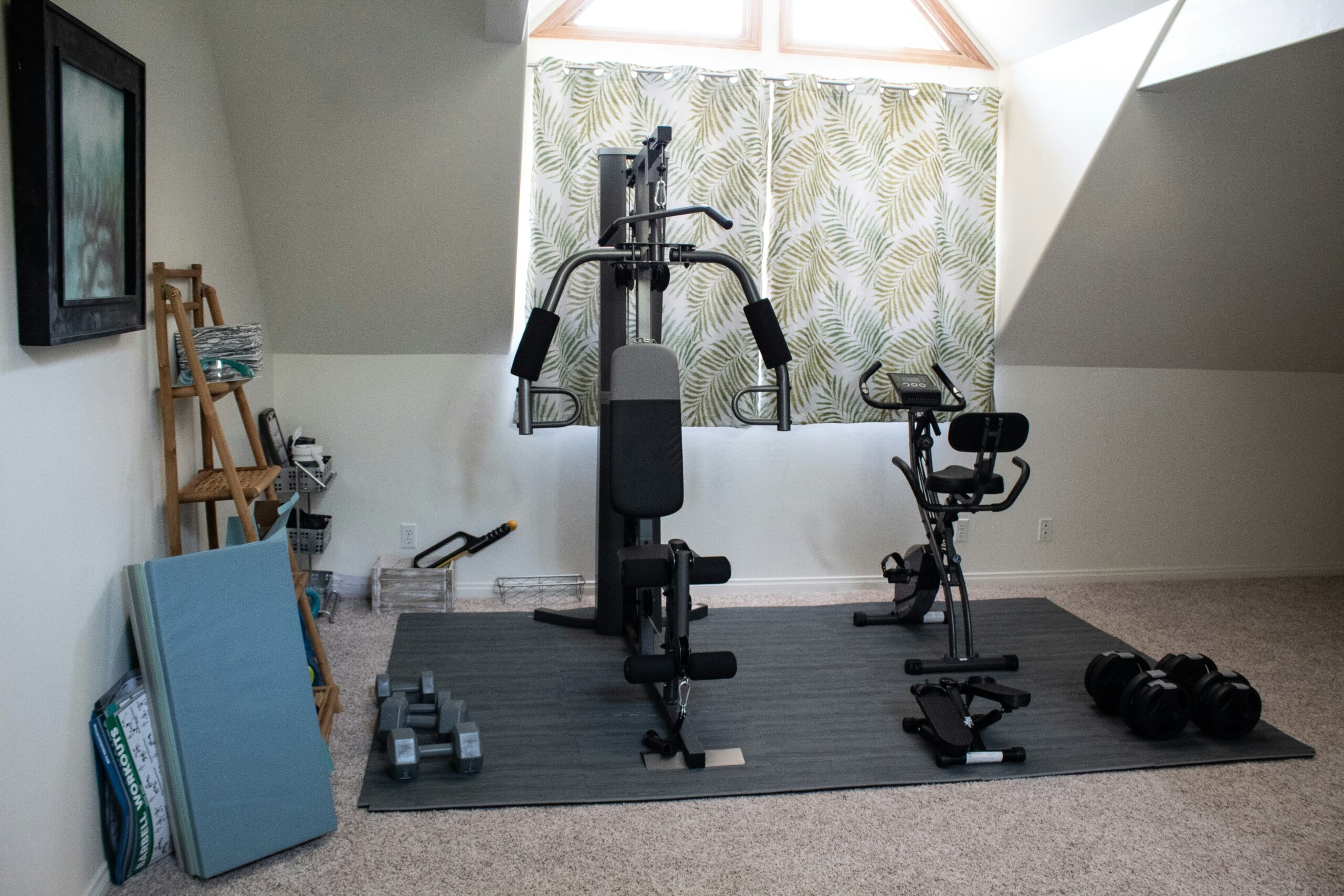
HIIT (High Intensity Interval Training) is a super popular workout style known for delivering big results in less time. If your main goal is fat loss, HIIT can be a game changer. It’s designed to push your body with short bursts of intense exercise followed by quick recovery periods. This way, you work hard, burn tons of calories, and keep that burn going even after your workout is done. I also recommend TRX if you are after some Resistance Exercises to try alongside HIIT. Anyway back to topic, I’m going to break down how HIIT works, show you some of my favourite HIIT routines, and share practical tips for staying on track.
What Makes HIIT So Effective for Fat Loss?
HIIT stands out because of its “afterburn effect” (technically called EPOC – excess post-exercise oxygen consumption). Basically, after a tough HIIT session, your body keeps burning extra calories while it recovers. Your heart rate stays elevated, your muscles repair themselves, and you use up extra energy. This is really handy when you want to shed body fat without spending hours in the gym. Your body naturally burns calories even when sleeping but this just elevates it so you burn more calories.
But that’s not all. HIIT also mixes things up, so your workouts never feel boring. Lots of HIIT styles use basic moves, but they shuffle how you do them: sprints, bodyweight exercises, cycling, and even jump rope routines. It means almost anyone can start, and you don’t need fancy equipment to get started. Whether you enjoy fast-paced routines or prefer to take things at your own tempo, HIIT offers flexibility. Because of this adaptability, HIIT is also an option for older adults, beginners, and even athletes looking to add variety to their routine.
Getting Started: HIIT Basics & Safety Pointers
HIIT isn’t about pushing yourself until you drop every time. Knowing your limits and pacing yourself, especially when you’re starting out, is pretty important. Here are some HIIT basics to help you hit the ground running:
- Intervals: Each HIIT workout has “work” periods (where you go all out for 20–60 seconds) and “rest” periods (where you recover, usually for the same time or a bit longer).
- Intensity: Aim to work at 80–95% of your maximum effort during work periods. You should be breathing hard, but still have good form.
- Frequency: 2–4 HIIT workouts per week is plenty for most people when starting. Your body needs recovery time to avoid burnout and injury.
- Warm Up and Cool Down: Always start with 5–10 minutes of dynamic stretching or light cardio and end with some easy stretching to help your muscles recover.
If you have any medical conditions or injuries, it’s a smart idea to check with your doctor before adding HIIT to your routine. This way, you avoid unnecessary risk and can make sure your routine is right for you.
Top HIIT Workouts for Fat Loss
These HIIT workouts all deliver a big calorie burn and keep things fresh. Start with the one that fits your fitness level and mix them up as you go:
1. Classic Bodyweight HIIT (No Equipment Needed)
- Jump squats – 30 seconds
- Pushups – 30 seconds
- High knees – 30 seconds
- Mountain climbers – 30 seconds
- Rest – 60 seconds
Repeat the whole circuit 3–5 times. This routine fits into even the busiest schedule and doesn’t need a gym.
2. HIIT Running (Great for Outdoors or Treadmill)
- Sprint as fast as you can – 20–30 seconds
- Walk or slow jog – 1 minute
Repeat for 10–15 minutes. Running HIIT is high impact, so start slowly and pick flat ground or a smooth treadmill for best results. And if you’re not a strong runner, power walking as your “high” interval can still be effective for fat loss.
3. Tabata Style HIIT
Tabata is a quick, intense HIIT version: 20 seconds of all-out work, 10 seconds rest, repeated for 4 minutes per exercise.
- Burpees – 4 minutes
- Bicycle crunches – 4 minutes
- Kettlebell swings (or jump squats if you don’t have kettlebells) – 4 minutes
Take a 1-minute break between circuits. Tabata is short, but intense, so you get results even if you’re pressed for time.
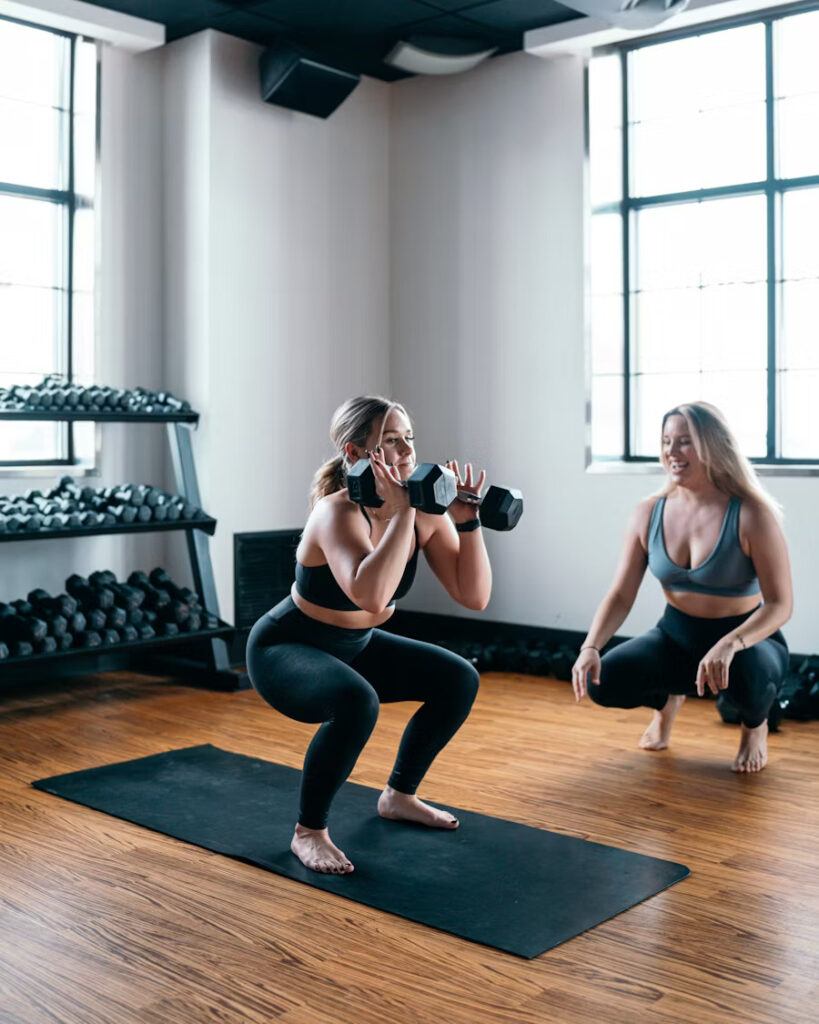
4. Circuit HIIT with Weights
- Goblet squats (with dumbbell or kettlebell) – 30 seconds
- Shoulder presses – 30 seconds
- Renegade rows – 30 seconds
- Lunges – 30 seconds
- Rest – 1 minute
Repeat for 3–4 rounds. This version brings in extra resistance to help tone muscle and boost metabolism. If you don’t have dumbbells or kettlebells, filled water bottles or resistance bands work too.
Important Things to Consider Before Jumping In
HIIT is super effective, but there are a few things worth thinking about before getting started or ramping things up:
- Intensity & Recovery: Pushing too hard too soon can leave you wiped out or even injured. Build up gradually, and don’t skip rest days. Overdoing HIIT without a break can not only stall your progress, but even set you back.
- Form Matters: Focus on doing each movement properly, especially when you start getting tired. Good form gets better results and helps you avoid strains or sprains. Practicing moves at a slower pace can help you nail the basics.
- Personalization: Adjust intervals, rest times, and movement choices so they match your current ability. HIIT is flexible, not one size fits all, making it easy to fit your changing needs and schedule.
- Fuel Your Body: Have a light snack about 30–60 minutes before HIIT, and aim for a solid meal with protein and carbs after. This helps with both performance and recovery. A banana or some yogurt before, and a balanced post-workout meal, can work wonders.
- Hydration: HIIT will make you sweat, so drink water before, during, and after your session. Dehydration can decrease performance, so keeping a water bottle close is always smart.

How to Handle HIIT Recovery
It’s easy to get fired up and want to smash out HIIT workouts every day. But muscles need time to rebuild after hard training. I always remind myself that sleep, restorative walks, gentle stretching, or yoga give a boost to recovery and get me back in the zone for the next workout. Listening to my body is my best hack. If I feel wiped, I swap HIIT for something lighter that day. Sometimes just skipping a session means you’ll come back fresher next time and get better overall results.
Common Challenges (And Simple Solutions)
- Getting Bored: Try changing up movements, music, or location. Switching from home to the park or gym keeps things exciting and can add natural variety. Even doing HIIT with a friend can keep you motivated.
- Plateaus: If you notice your progress stalling, add a new move, slightly boost your work interval, or add a light weight. Sometimes, simply mixing up your routine gives a boost to motivation and results. Even swapping exercise order can make HIIT feel new.
Extra HIIT Tips & Tricks for Maximum Fat Loss
Once you’re confident with basic HIIT, you can make small tweaks to get more out of every session:
- Mix Up Your Moves: Combine cardio based HIIT (like sprints or jumping jacks) with strength-based HIIT (like squats or lunges) for a double benefit; burning calories and building muscle. This variety helps prevent boredom and targets more muscle groups.
- Track Your Rest: Use a timer or HIIT app to keep rest periods honest and short. Pausing too long reduces the challenge, but skimping on rest can hurt your form. Consistency with your rest times helps you compare workouts and track progress.
- Add a Finisher: Toss in a 2–3 minute burnout round (like nonstop jumping lunges or mountain climbers) at the end for an extra calorie burn. Finishers can be tough mentally but give you that “I did it!” feeling.
- Listen to Your Body: If you start feeling extra fatigued or notice soreness that doesn’t go away, dial back intensity or take a day off. HIIT is demanding, and long-term results require keeping an eye out for signs of overtraining.
- Progress Over Perfection: Improvement happens over weeks, not days. When you hit a milestone—like adding another round or increasing tempo—give yourself credit. Focus on progress, not perfection, and you’ll stay motivated.
HIIT isn’t just about sweating buckets (though you’ll probably sweat a lot!). It’s about smart, focused effort. Sticking with it over time is what really drives fat loss and helps you feel stronger. Any movement is better than none, and HIIT rewards consistency.
HIIT Workouts in Real Life: Where They Shine
HIIT is pretty versatile, which is one reason for its growing popularity. Some ways HIIT can fit into your lifestyle:
- Busy Schedules: You only need 20–25 minutes for a complete, calorie-melting session. That means you can squeeze in a workout during lunch or between meetings, making fat loss accessible for everyone.
- Travel/No Equipment: Bodyweight HIIT means you can work out anywhere—hotel rooms, parks, or your backyard. No more excuses for skipped workouts, even on vacation or business trips!
- Group Motivation: HIIT classes in gyms or online can be motivating and keep you accountable. The social support and energy of a class can help push you on tough days.
I fit HIIT into my week when I know I’ll be tight on time, or when I want a fun challenge that doesn’t require any special gear. The flexibility is a real asset.
Frequently Asked Questions
Here are some common questions about HIIT and fat loss I hear a lot:
Question: How fast will I see results from HIIT?
Answer: Results vary, but some people start noticing more energy and better stamina in a couple of weeks. For visible fat loss, stick with HIIT and good nutrition for 4–8 weeks to see what it can do.
Question: Can I do HIIT if I’m new to working out?
Answer: Absolutely! Just lower the intensity and take longer recovery periods as you build up. Your fitness improves the more you practice, so don’t be afraid to start easy and advance as you go.
Question: Is HIIT better than steady state cardio for fat loss?
Answer: Both work, but HIIT burns more calories in less time and kicks your metabolism up after you finish. It’s especially handy for people who get bored of long, steady cardio. The key is finding what you enjoy so you can stay consistent over time.
Question: Do I need special equipment for HIIT?
Answer: Nope! You can start with just your bodyweight. If you want to add resistance, grab some dumbbells, a kettlebell, or even resistance bands. Some people use resistance bands or simple household items to add a challenge.
Question: Is HIIT safe to do every day?
Answer: Most people find 2–4 sessions per week is plenty. Doing HIIT every day can leave you tired or lead to overuse injuries. Listen to your body and spread your workouts out. It’s better to stay fresh and get quality workouts than to push through fatigue.
Wrapping Up
Jumping into HIIT is a practical way to jumpstart your fat loss adventure, especially when time is short or motivation is low. Whether you’re just getting started or coming back to fitness after a break, HIIT’s quick, efficient style keeps things interesting. With all the workout styles to choose from classic bodyweight, sprints, Tabata, or weighted circuits anyone can find a routine that fits.
Remember to pace yourself, pay attention to recovery, and make it fun. Over time, you’ll not only torch fat but also build a more athletic, confident version of yourself. HIIT isn’t a magic bullet, but combined with the right mindset and good habits, it’s a pretty awesome tool for reaching your goals. Thanks for checking this post out feel free to to leave a comment, ask questions and be sure to look on the other posts for everything fitness.