
If you’re pressed for time but still want results, 20-minute home workouts for strength are a pretty smart solution. I’ve pulled together my favorite routines that fit into just about any schedule. Building strength doesn’t have to mean hours at the gym. Consistency, intensity, and picking the right exercises can do a lot in a short window. Stick around for some tried-and-true tips to make your home workouts help you feel stronger, right from your living room or even that tiny corner next to your couch.
Why 20-Minute Strength Workouts Work So Well at Home
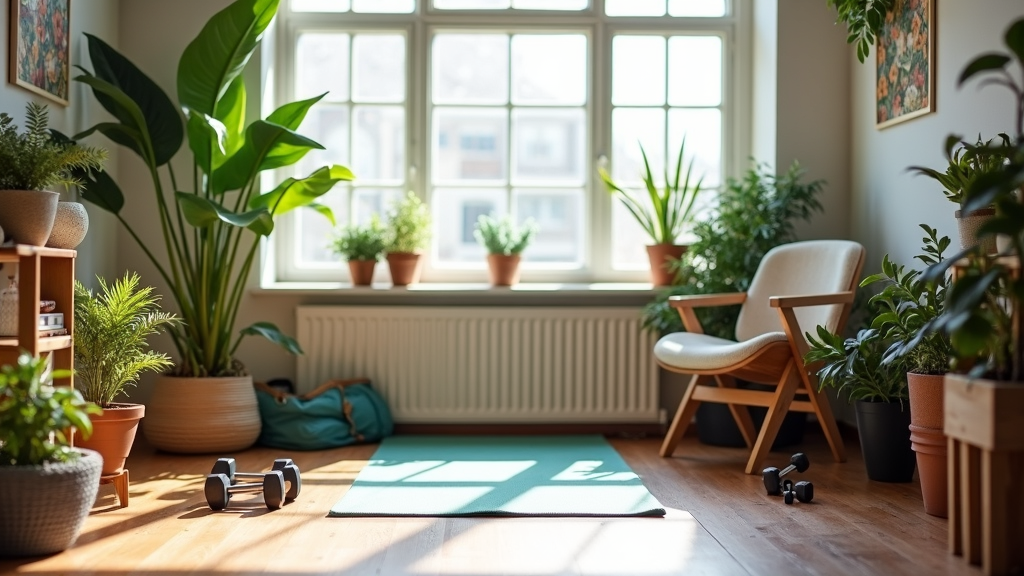
Short workouts that are focused on strength have gotten super popular, and for good reason. You don’t need a gym full of machines or an hourlong time slot to get stronger. Mixing big, compound exercises with quick circuits keeps your heart rate up and your muscles working hard the whole time.
I’ve seen people squeeze in a quick session before work or while the kids nap, and it adds up over time. As long as you’re consistent and keep the movements challenging, your strength will improve and you’ll notice a difference in daily activities too. The flexibility of these workouts is also a huge perk. No commute, no waiting for equipment, and you can make tweaks for your current fitness level.
Basics for Successful Home Strength Sessions
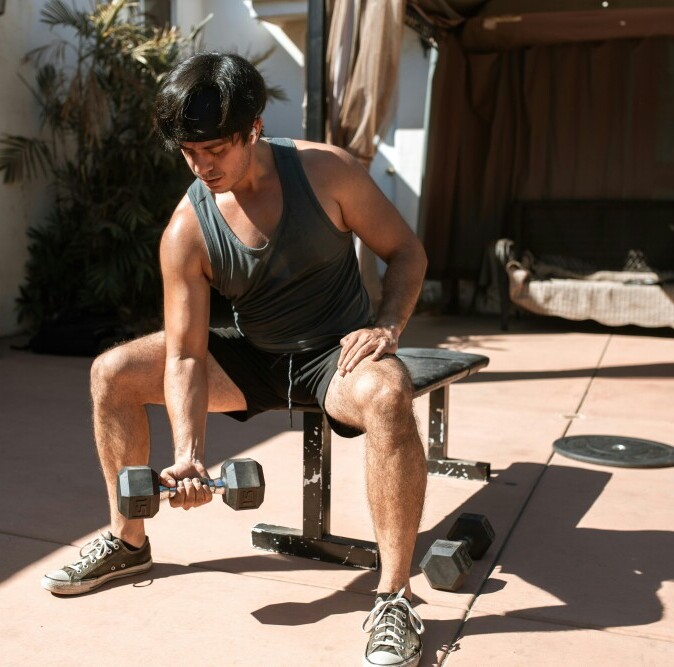
Starting out strong, even with just 20 minutes, means being deliberate with your setup and mindset. Here’s what I always have in mind before hitting the mat:
- Clear Out Space: Even a 5×5 foot area works fine. Make sure you’re not bumping into furniture.
- Grab Some Simple Gear (Optional): Dumbbells, resistance bands, or a kettlebell can help, but you’ll see lots of moves using just your bodyweight too.
- Plan Your Timing: Setting a timer helps keep things snappy. I like using a phone or basic kitchen timer to stay on track.
- Warm Up Briefly: Spend 2–3 minutes on some jumping jacks, arm circles, or squats to wake up your muscles.
By covering these basics, you’ll jump into your workout already prepped for success, and skip the excuses.
Quick-Start 20-Minute Home Strength Workout Routines
I’ve tested out quite a few routines, but these are the ones I keep coming back to. They hit all the major muscle groups, and you can swap in new moves to keep things fresh. Here are my favorites for quick strength at home:
Bodyweight Circuit for FullBody Strength
- PushUps (chest and arms) – 10–15 reps
- Squats (legs and glutes) – 15–20 reps
- Plank (core) – 30 seconds
- Reverse Lunges (legs and balance) – 12 reps per leg
- Chair Dips (triceps and shoulders) – 10–12 reps
Repeat this circuit 3–4 times with short breaks (20–30 seconds) between each round. No equipment needed at all, so it works even in a small apartment.
Minimal Equipment Strength Circuit
- Goblet Squats (with dumbbell or kettlebell) – 15 reps
- Standing Overhead Press – 12 reps
- BentOver Rows – 15 reps
- Glute Bridge (bodyweight or with weight) – 15 reps
- Bicycle Crunches – 15 reps per side
This routine is really good if you want to add a challenge with a bit of weight. Loop through it as many times as you can in 20 minutes, aiming for slow, controlled movements to build strength.
HIITStyle Strength Blast
- Jump Squats – 40 seconds
- PushUp with Shoulder Tap – 40 seconds
- Alternating Lunge with Knee Drive – 40 seconds
- Mountain Climbers – 40 seconds
- Rest – 20 seconds between exercises
Cycle through the set three times. You’ll get a strength and cardio boost in one go, which is handy if you want to maximize results quickly.
Key Elements to Get More From Every 20-Minute Session
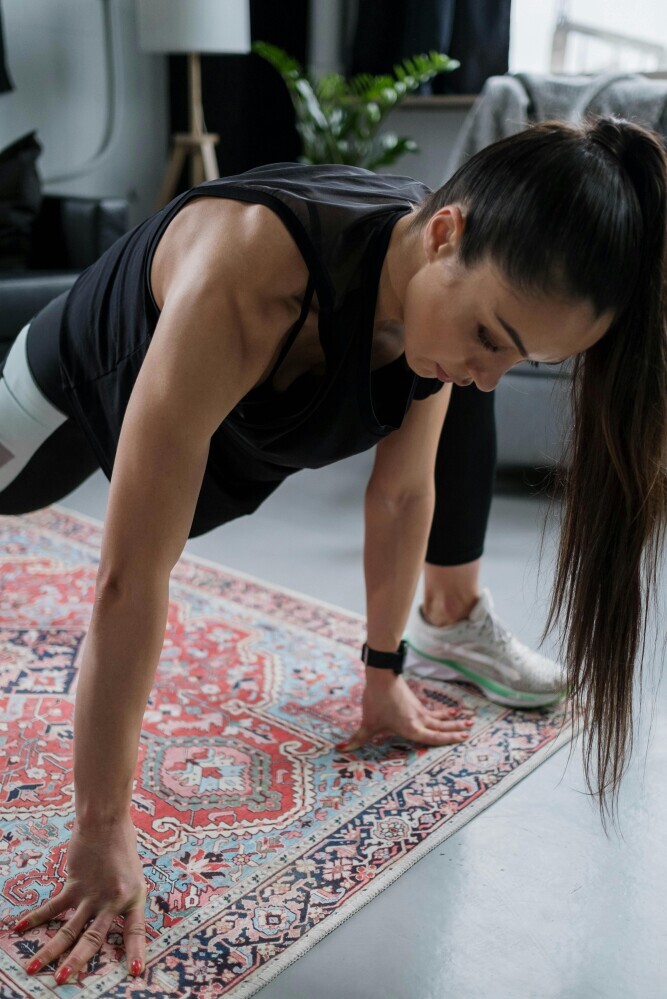
Moving through these routines is one thing, but making them work better for you takes a bit of purposeful tweaking. Here’s what I focus on for effective strength gains at home:
- Form First: Going slow and keeping the right position is more important than rushing through reps. Quality over quantity pays off in strength and injury prevention.
- Progress Every Week: Try adding weight, an extra set, or a couple of reps as you get stronger. Tiny increases add up over time.
- Rest Matters: Keep rest periods short (30 seconds or less), but if your form starts to fade, take a bit longer. Listen to your body.
- Switch It Up: Swapping out a move or two every couple of weeks keeps you challenged and helps prevent plateaus. Variety also keeps your mind engaged, which is great for motivation.
Checking in on your progress every few weeks keeps things motivating. I usually jot down my reps and weights in a notebook, which is a simple trick but really helps track improvement over time.
Common Questions About 20-Minute Strength Workouts
I get asked a lot about short home routines, so here are a few practical answers to the most common ones:
Is 20 minutes really enough to get stronger?
Absolutely. As long as you stay consistent, keep pushing yourself, and pick solid exercises, you’ll notice strength gains over time, even with these short routines.
How many days a week should I do these workouts?
About 3–4 sessions per week work for most people. You can adjust based on your schedule, or swap in a walking or stretching day to keep things balanced and allow time for muscle recovery.
Can I do these routines if I’m just getting started?
Yes! Just start with fewer reps, take longer breaks if needed, and pay extra attention to your form. You’ll get stronger, and more comfortable with the movements, each week you stick with it.
What if I want to add more muscle?
Once the workouts feel too easy, try adding resistance bands, a weighted vest, or heavier dumbbells. Upping the challenge creates more muscle growth, even at home. You can also slow down your reps or add an extra set for a different kind of burn.
Tricks for Staying Motivated With Home Workouts
Sticking with a home routine can be tough, especially without the vibe of a gym or workout class. I’ve found a few tricks help a lot with consistency:
- Schedule It: Treat your workout like any other appointment. Setting an alarm or putting it on your calendar really helps make it happen.
- Set a MiniGoal: Pick a number of pushups or squats to aim for by the end of the month. Mini goals give you something specific to chase.
- Use Music: Blasting your favorite playlist makes the session go by quicker and pumps up your energy and mood for the workout.
- Track Progress: Checking off workouts on a calendar or in an app adds a nice little sense of accomplishment each week.
If you start slipping out of your routine, remember this: a short, imperfect session still beats skipping the day entirely. There’s always time to reset and jump back in, and even ten minutes is better than zero for keeping up the habit.
Smart AddOns: Gear That Makes Home Workouts Easier
You can do a ton with just your bodyweight, but having a few handy items nearby can give a boost to your results and keep things interesting. Here are my top picks:
- Resistance Bands: Super affordable and perfect for upping the intensity on moves like squats, glute bridges, or rows. They hardly take up any space and let you tweak the challenge easily.
- Dumbbells or Kettlebell: Just one or two different weights go a long way. Adjustable dumbbells are a spacesaving bonus if you’d rather not buy a full set.
- Sturdy Chair or Step: Great for stepups, dips, or elevated pushups. Just make sure it won’t slide out from under you on hard floors.
- Yoga Mat: Helps cushion joints and keeps you steady, especially on hard surfaces. Mats also give you a dedicated, familiar spot for movement, which can make it easier to start.
If you want more ideas for smallspace workout gear, sites like ACE Fitness have some super detailed guides worth checking out. You could even try looking for secondhand equipment online to set up your own small home gym corner for cheap. Remember, gear might give a boost, but it’s your effort that really matters!
Final Thoughts and Encouragement
Short strength workouts at home are practical and really effective if you give them your best effort. I’ve found that even on the busiest days, squeezing in a 20-minute circuit helps keep my energy and confidence up. Consistency, a bit of creativity, and listening to your body make these quick routines a surprisingly powerful tool for long-term strength. Start where you are, keep moving, and notice how quickly those daily tasks start feeling easier as the weeks go by. You’ve got this!
Thanks for checking this post out feel free to to leave a comment, ask questions and be sure to look on the other posts for everything fitness.