
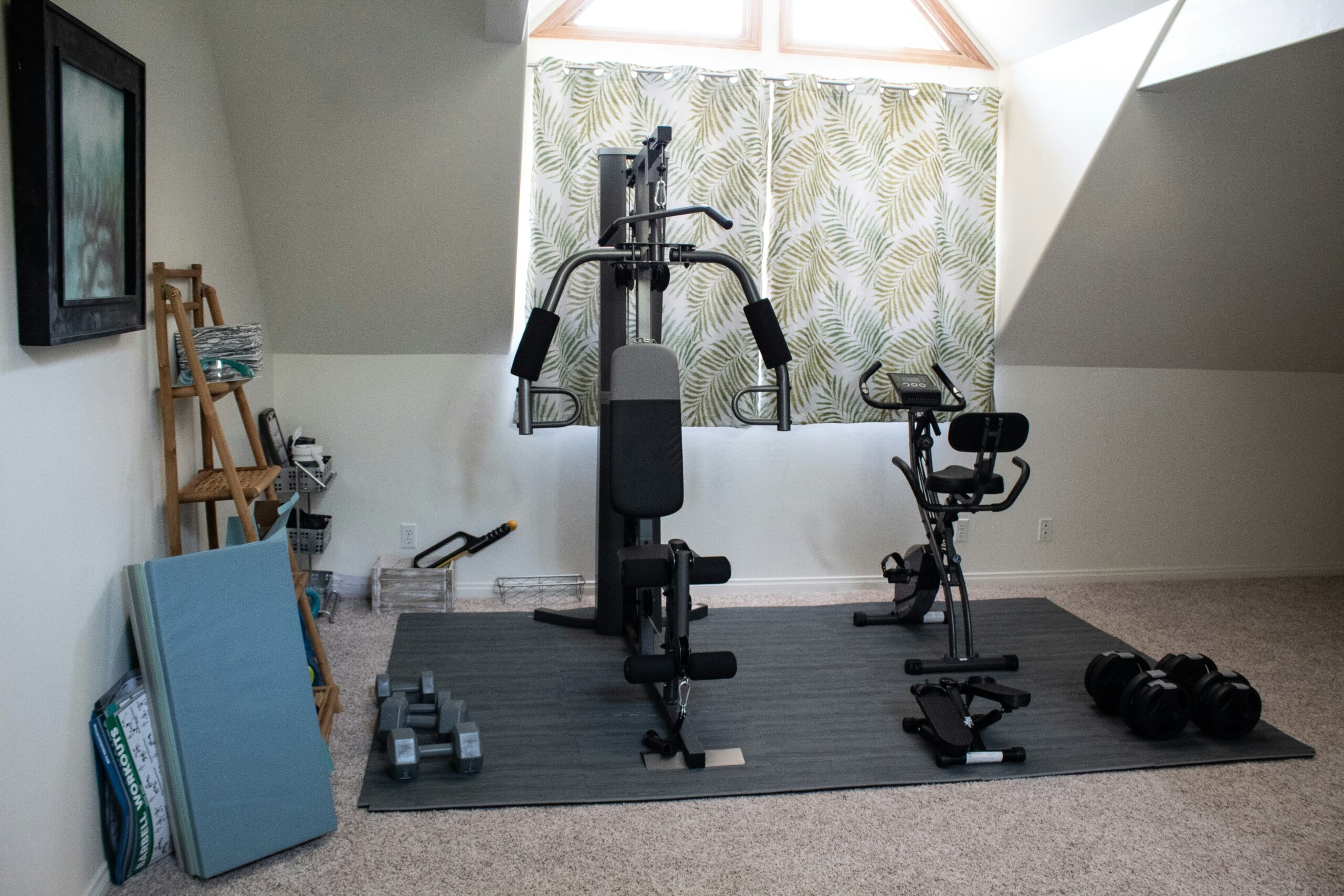
Picking the right floor for your home gym makes a huge difference. A good floor helps prevent injuries, saves your house from damage, and even keeps the noise down. Here’s a quick guide to the best flooring options out there and how to pick the perfect fit for your space.
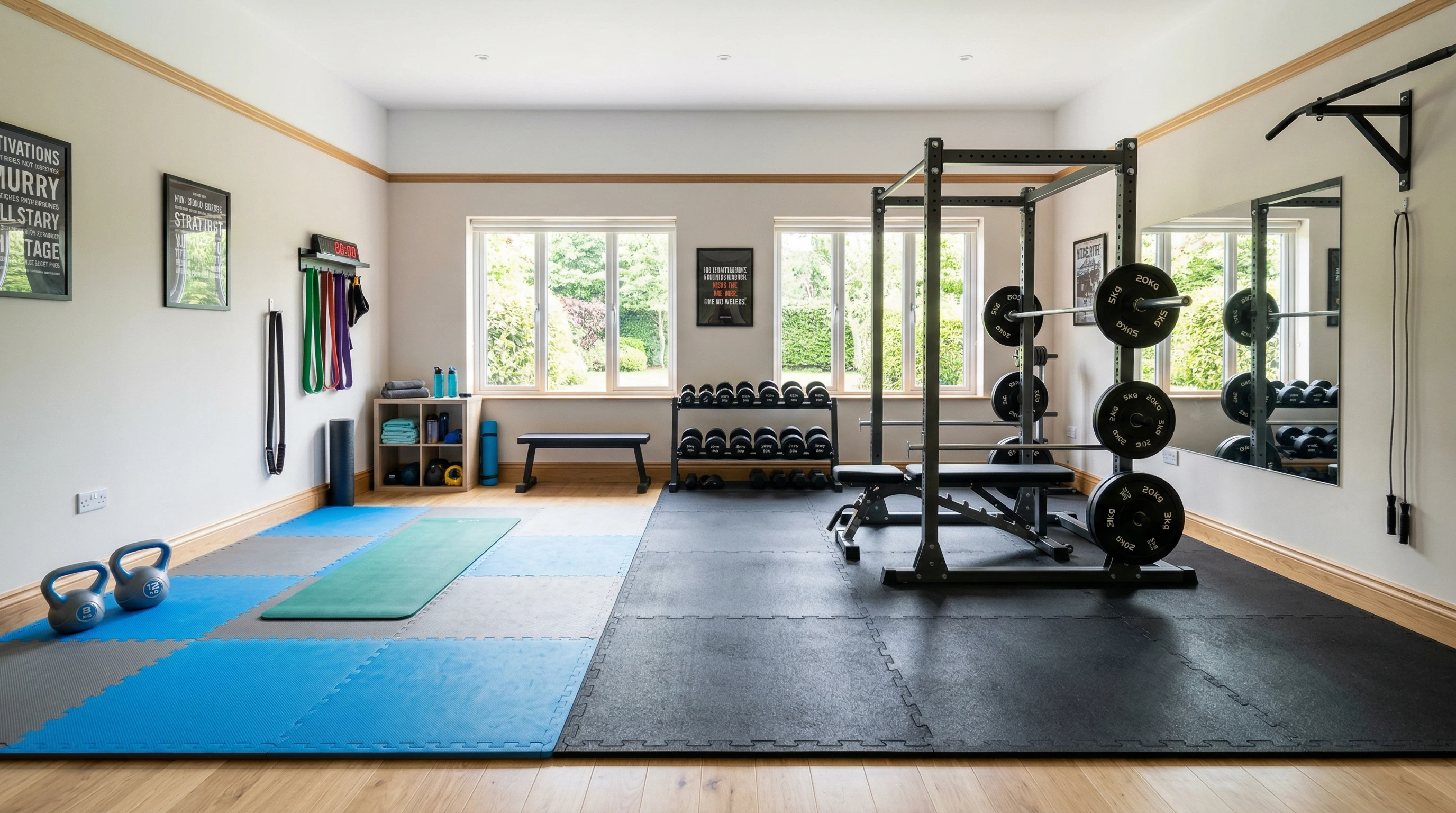
Why the Right Home Gym Flooring Matters
The kind of gym floor you choose affects comfort, protects your home, and keeps your equipment in good shape. Here’s why I start with flooring first:
- Protects subfloors: Heavy weights and machines can damage wood, tile, or concrete without a proper barrier.
- Improves safety: Good flooring helps with grip, reduces slips, and cushions joints.
- Reduces noise: Dropping weights and jumping create vibrations. Solid gym flooring muffles the sound.
- Extends equipment life: Flooring absorbs shock from dropped weights and moving machines, which cuts wear and tear.
- Boosts comfort: Standing, kneeling, or lying down during workouts is easier on flooring designed for exercise.
The Best Types of Home Gym Flooring
I’ve tried several options, and there isn’t a one size fits all answer. Your workouts and space matter. Here’s a practical breakdown of flooring options that cover most needs and budgets.
Rubber Flooring – Very good option for a beginner
If you’re setting up a home gym, you want a floor that can handle the sweat and the weight without and still make it a nice working area in your home. Here’s a quick breakdown of the best options to help you decide.
Rubber: The All-Rounder
Rubber is the go to for many home gyms. Whether you’re doing high intensity cardio or heavy deadlifts, it’s built to take a beating.
-
Saves Your Joints: It’s firm and has enough durability to protect your knees and keep your subfloor from cracking if you drop a dumbbell.
-
Built to Last: It won’t dent or shred, even with heavy foot traffic.
-
Simple Setup: You can get interlocking tiles that snap together like a puzzle, or rolls if you want a seamless, professional look.
-
Easy to Clean: A quick sweep or a damp mop is all you need.
Foam: Best for Yoga & Mobility
If your workout is more about stretching, Pilates, or bodyweight moves, foam is your best friend. It’s soft, cheap, and very comfortable for floor work.
-
Super Cozy: It’s much nicer on your shins and elbows than rubber.
-
Cheap & Fast: You can cover a small area at a very low cost if you look around, and it takes minutes to put together.
-
The Catch: Foam isn’t great for heavy gear. If you put a weight bench on it, you’ll leave permanent dents, and it can feel a bit “squishy” or unstable when you’re lifting heavy.
Vinyl: The Stylish Choice
If your gym is in a multi purpose room like a home office or a spare bedroom, vinyl is a great way to keep things looking sharp while staying functional.
-
Looks Great: You can get vinyl that looks like hardwood or stone, so it blends in with the rest of your home.
-
Waterproof: Sweat and spilled water wipe right off without any fuss.
-
The Catch: It can get a little slippery if you’re working hard, and it doesn’t offer much protection against heavy weights. It’s perfect for cardio or light dumbbells, but maybe skip it for the heavy duty power rack.
Quick Tip: If you’re stuck between options, many people choose rubber for the main lifting area and keep a few foam mats on top for stretching. It’s the best of both worlds!
Carpet Tiles – Warmth and Comfort
-
Cozy & Quiet: They hold onto heat much better than cold concrete and do a great job of muffling the sound of jumping jacks or equipment.
-
The Reality Check: They aren’t great for heavy lifting because they can shift around. Plus, if you’re a heavy sweater, they’re a pain to keep fresh. Think of these for a low impact cardio or stretching zone.
Horse Stall Mats:
-
Indestructible: They will handle your heaviest barbells and power racks without breaking a sweat.
-
High Value: You get the same shock absorption as professional gym flooring but at a fraction of the price.
-
Recommendations:
-
If your goal is to build a garage gym or mainly using heavy weights check these interlocking gym mats
- For general body weight exercises, stretching, and budget-friendly room coverage. These non slip rubber mats are perfect because it’s budget friendly, a great starting point. And is a best seller which shows they are some of the best on the market today
Which One is Right for You?
When you’re trying to narrow it down, ask yourself these three questions:
1. What’s the workout?
-
Lifting heavy? Go with rubber or stall mats.
-
Yoga or floor work? Stick with foam or carpet.
-
Cardio machines? Rubber or vinyl are your best bets.
2. Where is the gym located?
If you’re in a garage, you need the durability of rubber. If you’re upstairs, you’ll want something thick to dampen the noise so you don’t annoy the rest of the house. For basements, make sure whatever you pick can handle a little moisture.
3. How thick should you go?
-
6mm–10mm: Perfect for bodyweight stuff or light dumbbells.
-
12mm+: This is what you need if you’re planning on dropping heavy weights or using a squat rack.
4. What’s the budget?
Before you start laying down tiles, here are a few pro tips to keep the process smooth:
-
Measure The Room: Calculate your square footage and round up a little. It’s always better to have an extra tile than to end up an inch short at the wall.
-
Consider Interlocking: Tiles that snap together are much easier to handle than heavy rolls that require precision cutting.
-
Think About a Subfloor: If you’re worried about moisture or noise, a thin underlayment can act as a great buffer between your gym floor and the actual house.
-
Keep it Fresh: A quick vacuum and a damp mop with mild soap will keep rubber and vinyl looking brand new.
Choosing the Right Floor for Your Vibe
Every workout style needs a different level of support. Here’s a quick cheat sheet:
-
Powerlifting & CrossFit: You need the heavy hitters. Stick with thick rubber or stall mats to soak up the impact.
-
Yoga & Pilates: Go for foam or carpet. Your knees and elbows will thank you for the extra cushion.
-
HIIT & Cardio: Rubber or vinyl are best here they offer the grip you need so you don’t slip when things get sweaty.
The Questions Everyone Asks
-
How thick should it be? For most people, 8mm–12mm is the “sweet spot.” If you’re planning on dropping heavy barbells, definitely go thicker.
-
Can I put this over my existing floor? Yes, but stability is key. If you’re going over carpet, I’d recommend laying down a thin sheet of plywood first so your equipment doesn’t wobble.
-
Is rubber actually worth the price? Absolutely, If you’re consistent with your workouts rubber lasts forever and protects your house from expensive damage
The Bottom Line
Picking your flooring isn’t just a design choice, it’s about protecting your joints and your home. Investing in the right foundation makes your workouts more comfortable and keeps you motivated to actually show up. Take a second to match the floor to your favourite way to move, and you’ll have a space you love for years.
Hope you enjoyed this post and comment below which one you have gone for.