
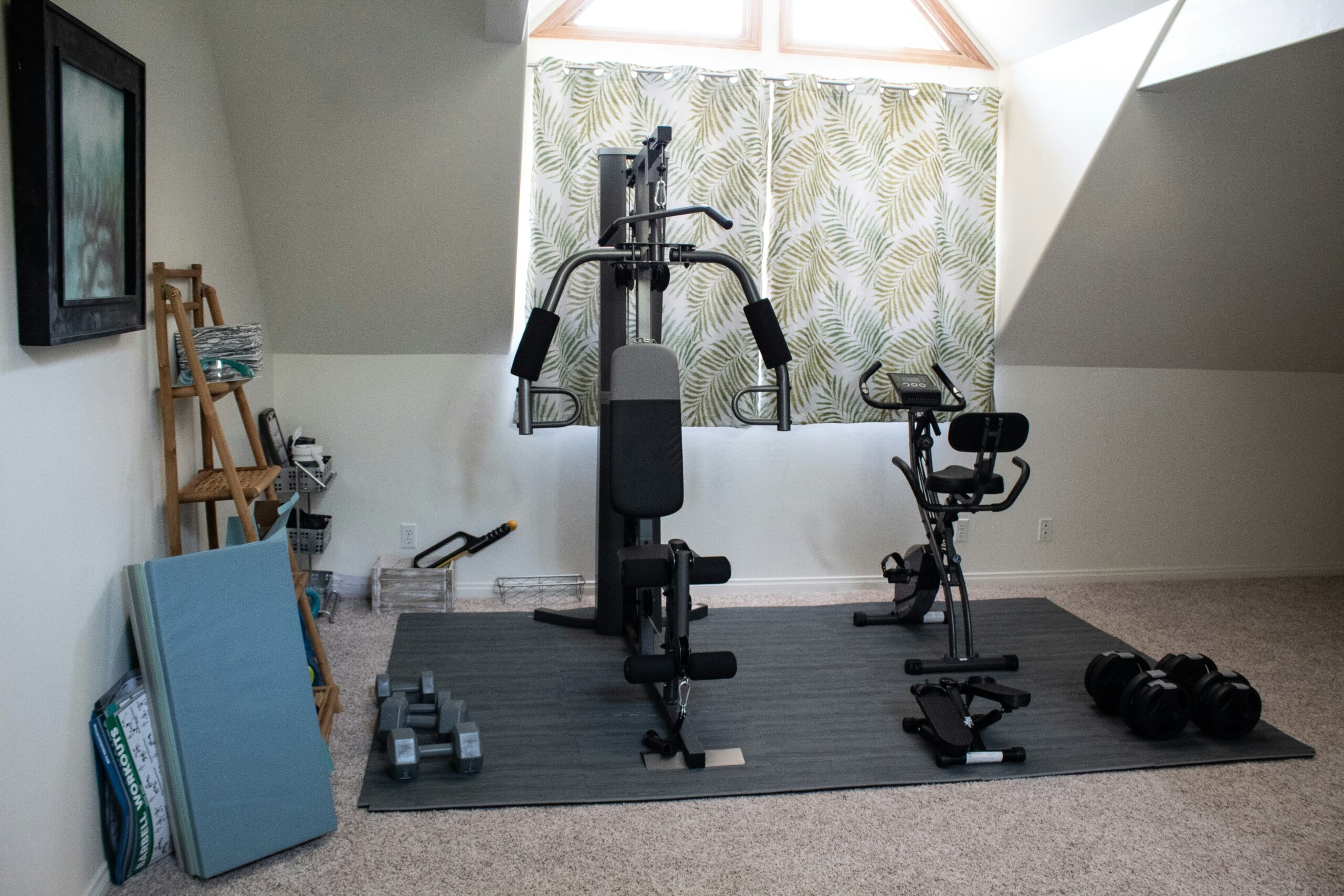
Choosing the best flooring for a home gym can make every workout safer and more enjoyable. I’ve spent plenty of time trying different setups, and what’s underneath your feet really affects comfort and equipment protection. If you’re planning your own setup, your choice of flooring can help prevent injuries, protect your home, and keep noise levels down. This straightforward guide covers the best home gym flooring types, why it matters, and explains how to choose for your personal needs.
Why the Right Home Gym Flooring Matters
Many people overlook flooring when setting up a home gym, but I’ve found this is one detail that really pays off in the long run. The quality and type of gym floor influences comfort, protects your house, and protects expensive equipment. Here are some main reasons I focus on gym flooring first:
- Protects Subfloors: Heavy weights and machines can damage wood, tile, or concrete without the right barrier.
- Improves Safety: Proper flooring gives better grip, helps prevent slips, and adds some cushioning for joints.
- Reduces Noise: Dropping weights or jumping around causes a lot of vibration, and good gym floors help muffle the sound.
- Makes Equipment Last Longer: Flooring absorbs shock from dropped dumbbells or moving heavy equipment, which limits wear and tear.
- Gives a Boost to Comfort: Standing, kneeling, or lying down for workouts is much easier on floors designed for exercise.
The Best Types of Home Gym Flooring
I’ve used several options over the years, and there’s no single best choice for everyone. Your workouts and your space will influence what works best. So, here’s a breakdown of flooring options that cover most needs and budgets:
Rubber Flooring – Very good option for a beginner
Rubber tiles or rolls top my list for most home gym setups. They’re tough, reliably supportive, and handle everything from cardio to heavy weightlifting. Most professional gyms rely on rubber for a reason.
- Shock Absorption: Soft but firm cushioning helps protect joints and the ground when you drop weights.
- Durability: Stands up to lots of movement, weight, and high traffic with very little wear.
- Easy Maintenance: Cleaning rubber tiles or mats is straightforward. Just sweep or mop for a quick refresh.
- Installation: Interlocking tiles make DIY layout easy. Rubber rolls are best for larger spaces if you want a seamless look.
Foam Mats – Affordable and Comfortable
Foam flooring works well for light exercise, stretching, yoga, and bodyweight routines. Its soft surface means more comfort during floor work, but it’s not the best option for repeated heavy lifting.
- Easy Installation: These usually come as puzzle mats you can piece together in minutes.
- Great for Bare Feet: Much softer for sitting, kneeling, or lying down than rubber.
- Budget Friendly: Very affordable for those just starting out or covering a small space.
The downside is foam compresses over time and picks up dents from benches or heavy weights, which can affect stability. If you mostly do bodyweight or mobility workouts, though, it works well.
Vinyl Flooring – Stylish and Versatile
Vinyl flooring brings a clean look and flexible performance, especially in rooms that double as living space or where you want a specific design. It’s hard wearing and easy to clean, making it a smart pick for cardio exercise or lighter weight work.
- Water Resistant: Spills or sweat wipe up easily.
- Low Maintenance: Sweeping and occasional mopping keep it in top condition.
- Design Choices: Vinyl comes in wood, stone, and solid color looks to fit any decor.
Keep in mind, vinyl isn’t as forgiving against heavy weights or high impact exercise. It can also feel slippery when wet compared to rubber or foam.
Carpet Tiles – Warmth and Comfort
I’ve tried carpet tiles in colder basements where warmth and noise dampening were important. These tiles are softer than most options and reduce sound.
- Cushioning: Great for stretching or using low impact exercise equipment.
- Insulation: Retains warmth, good for basement or winter setups.
Carpet tiles can be harder to clean if you sweat a lot or spill water bottles, and they are not ideal for lifting heavy weights, as they can slide or get damaged.
Horse Stall Mats – Heavy Duty for Less
For budget friendly but super tough flooring, horse stall mats are my go to, these thick, heavy duty rubber mats hold up under huge loads and lots of abuse.
- Affordable: Cost per square foot is much lower than premium gym rubber flooring.
- Outstanding Durability: Handles heavy barbells and racks easily.
- Grip and Support: Offers the same solid, shock absorbing feel as commercial gym flooring.
If you want function at a lower price, stall mats work well in a garage or basement gym.
How to Choose Your Home Gym Flooring
Every type of workout needs something a bit different. When I help friends design their spaces, I walk through a few questions to narrow down the options:
- What Exercising Do You Do? Weightlifters should use rubber or horse stall mats for strength and durability. Yoga, pilates, or stretching call for foam or carpet tiles. Cardio fans often go for rubber or vinyl.
- Where Is Your Gym? Garages with heavy tools and no climate control need strong, shock absorbing mats (think rubber). Bedrooms or upstairs rooms benefit from noise reducing tiles. For moisture prone spaces like basements, water resistant flooring is really important.
- How Thick Should Your Flooring Be? Thicker material increases cushioning and protection. For most bodyweight or light dumbbell exercises, 6–10mm works great. Lifting heavy weights, or dropping weights from overhead, calls for 12mm or even more.
- What’s Your Budget? Foam tiles and horse stall mats cover more space for less money. Premium rubber rolls and designer vinyl cost more but look sleeker and offer more comfort over time.
Installation and Maintenance Tips
- Measure Your Room Carefully: Calculate the total area and round up to cover mistakes or odd angles.
- Interlocking Tiles Simplify the Process: Tiles are easier than rolls or mats that need to be cut to fit.
- Consider a Subfloor: Adding a thin, dense underlay can reduce noise and add moisture protection.
- Regular Cleaning: Use a vacuum or broom for debris, and mop with mild soap for spots. Rubber and vinyl are simplest to keep clean.
Matching Flooring to What Kind Of Home Gym You Want
Different workout styles need different support. Here’s what I often recommend based on common uses:
- Powerlifters and CrossFitters: Thick rubber tiles or horse stall mats for maximum shock absorption.
- Yoga, pilates, or bodyweight circuits: Foam tiles or carpet squares for extra cushioning and softness.
- HIIT or cardio: Rubber or vinyl, which provide grip and resist sweat damage.
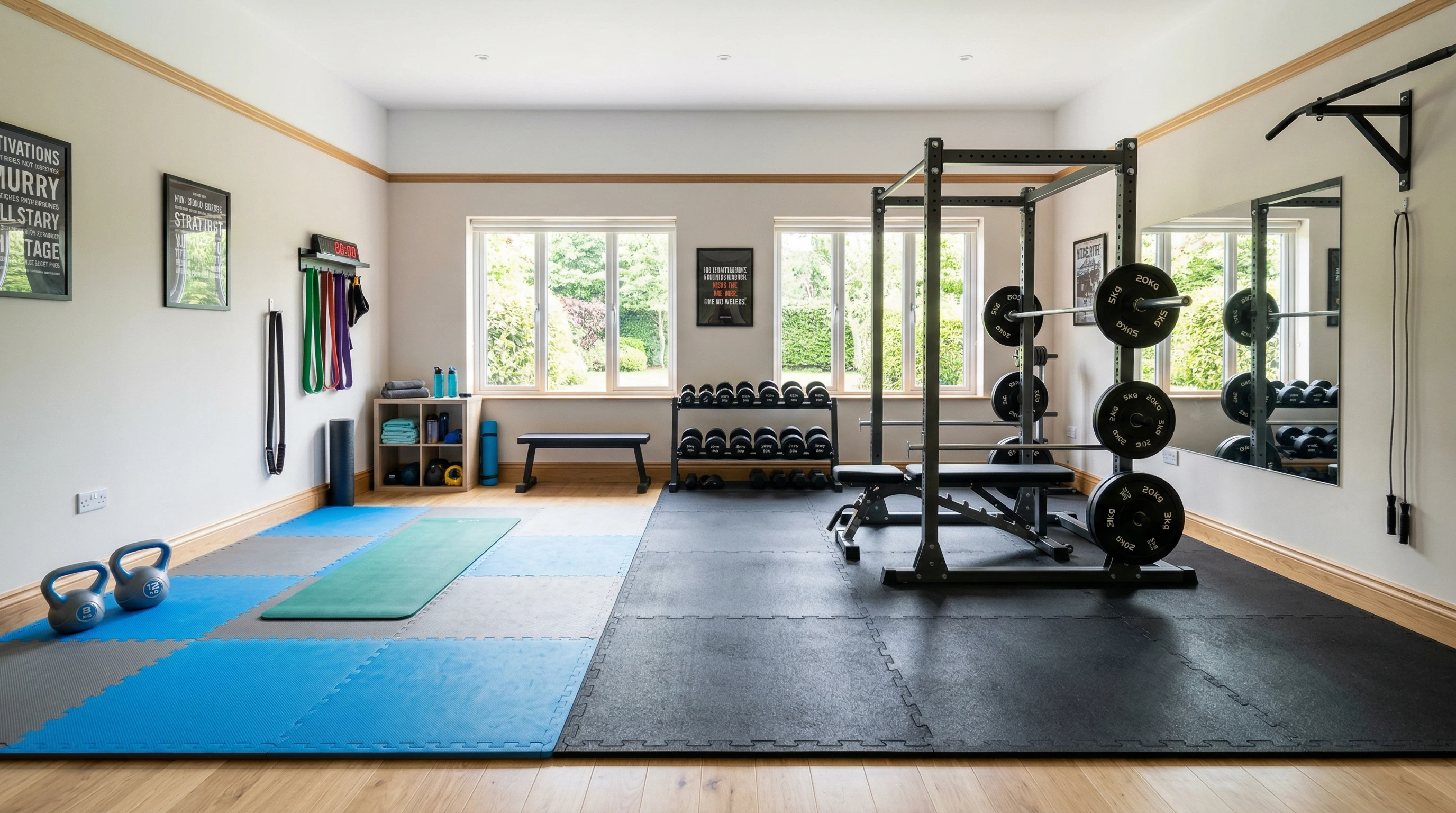
For those mixing strength and cardio, combining a few different types over zones keeps things functional and cost effective. If you like changing up your routine, try using a combination of foam mats for stretching or ab work, and rubber mats for your rack and weights area. Mixing flooring types gives you the flexibility to make each area perfect for your style and makes the most of your budget.
Frequently Asked Questions
People starting out with home gyms ask many of the same questions I had:
How thick should my gym flooring be?
For most people, 8–12mm is a sweet spot for general fitness. If you’re dropping heavy weights, go thicker for safety.
Can I install gym flooring over carpet or hardwood?
You can put interlocking tiles or mats over almost any surface, but a firm, flat surface is best. Over carpet, I recommend putting down a plywood base first for extra stability.
Is rubber flooring worth the investment?
If you plan to use your gym often or lift heavy, rubber easily pays off. It’s reliable, lasts for many years, and handles any type of exercise.
How do I handle strong rubber smells?
Air out new rubber mats or rolls in the garage or outside before use. The smell fades within a few weeks. Keeping your space ventilated helps too.
Wrapping Up on Setting Up Home Gym Flooring
Picking out the right flooring for your home gym isn’t just about comfort, it protects your investment and keeps you motivated to stay active long term. Looking back, investing a bit more in supportive flooring always made my workouts smoother and gave peace of mind about protecting my home. Take some time to match your flooring with your workout style and space; your home gym will pay off for years to come. With the right gym flooring in place, you’ll set yourself up for better workouts and a safer, happier space every time you get moving.